Foundation and layout review
Check support height, equipment position, chute clearance and conveyor routing before installation.
Equipment portfolio
Browse representative equipment categories for aggregate production lines. Complete product lists remain available on the product catalog pages.
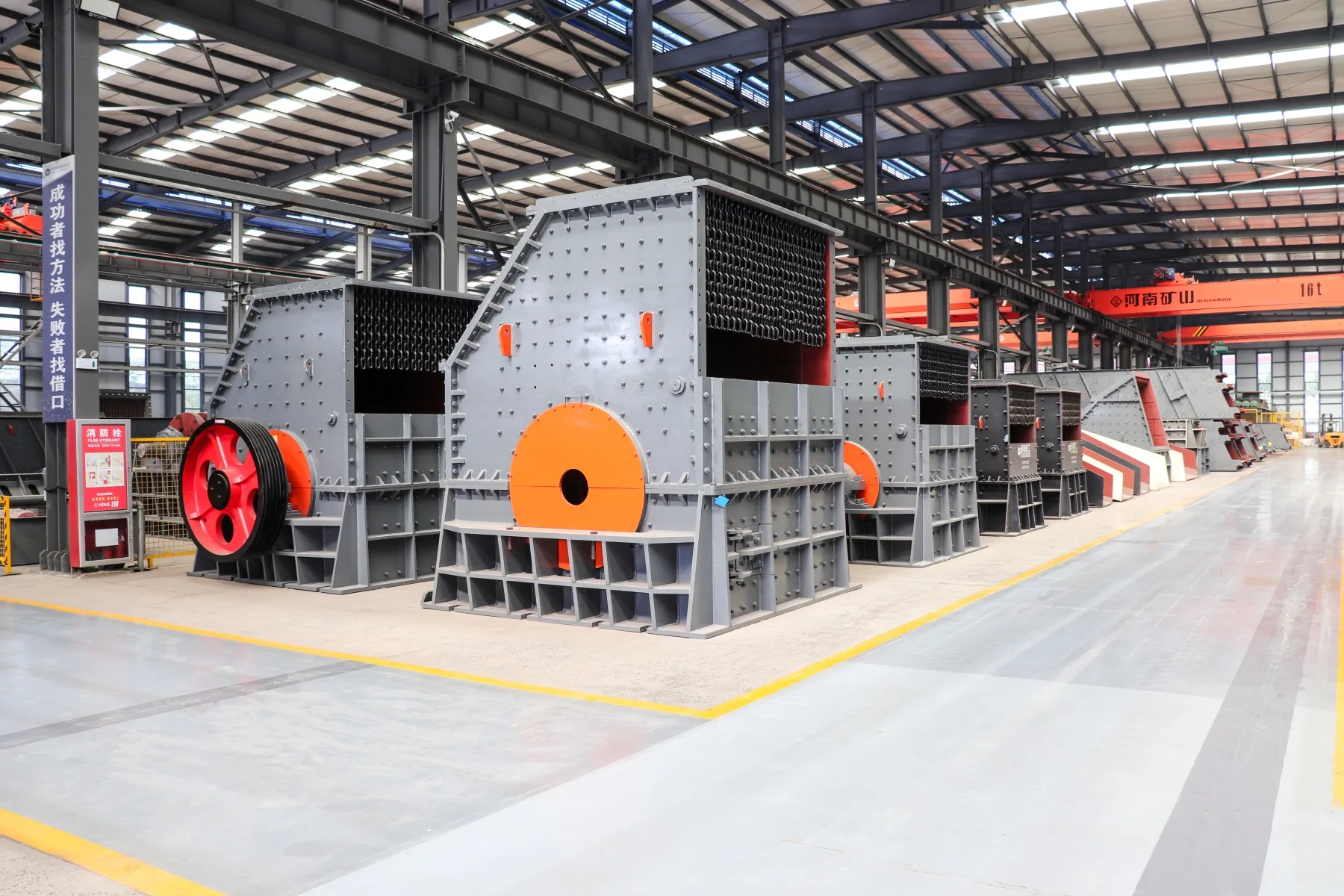
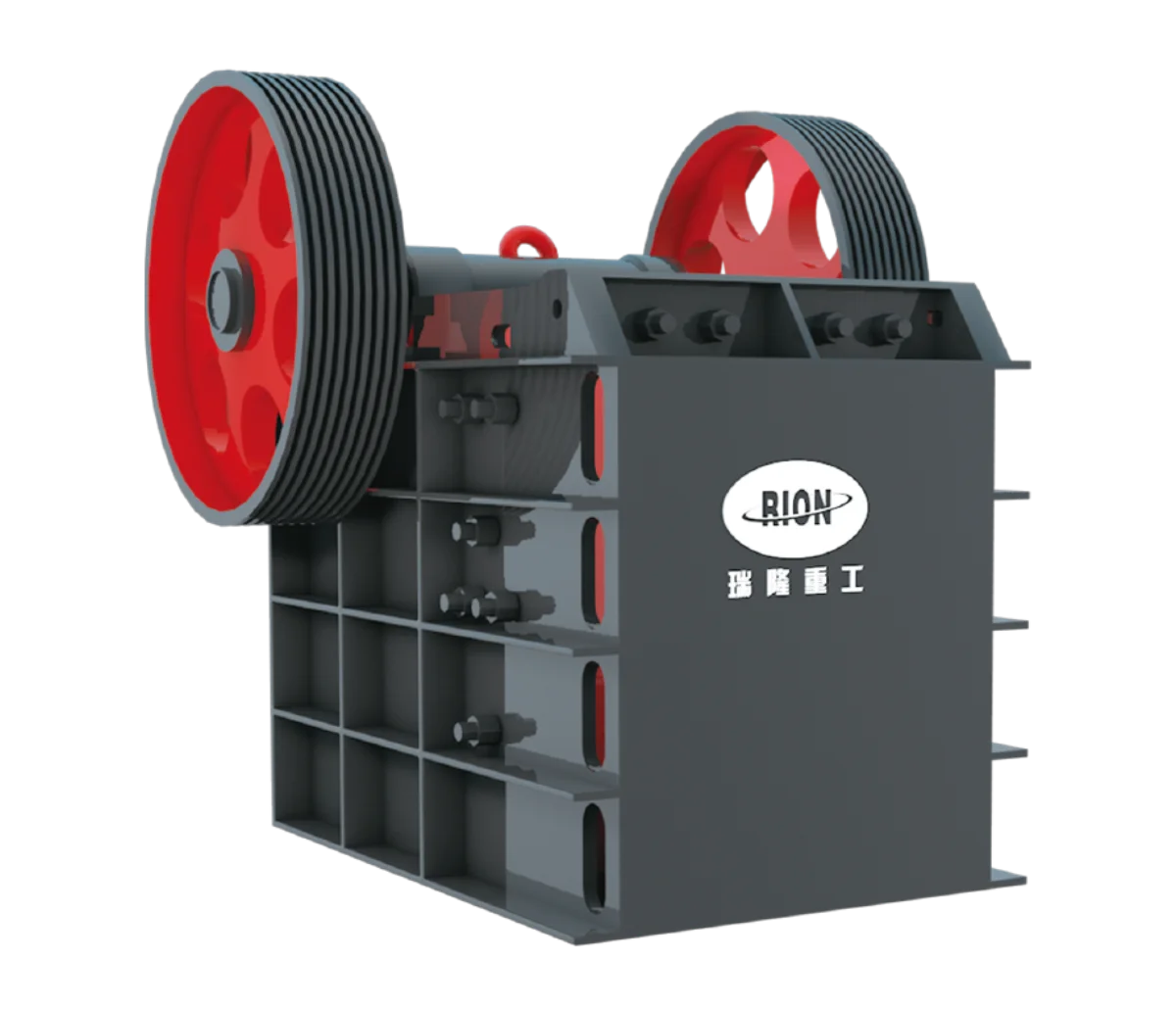
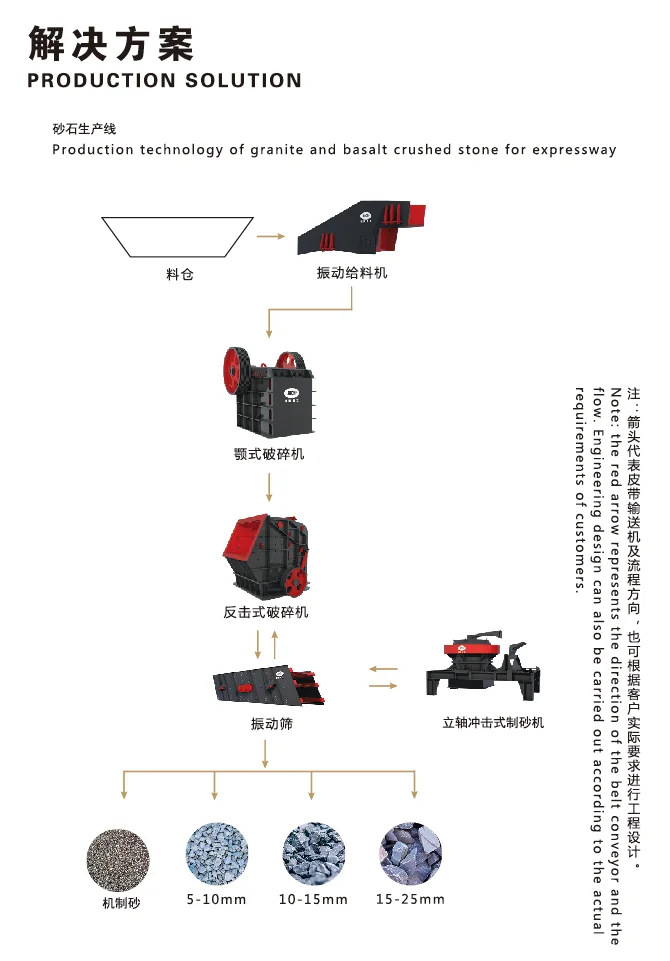
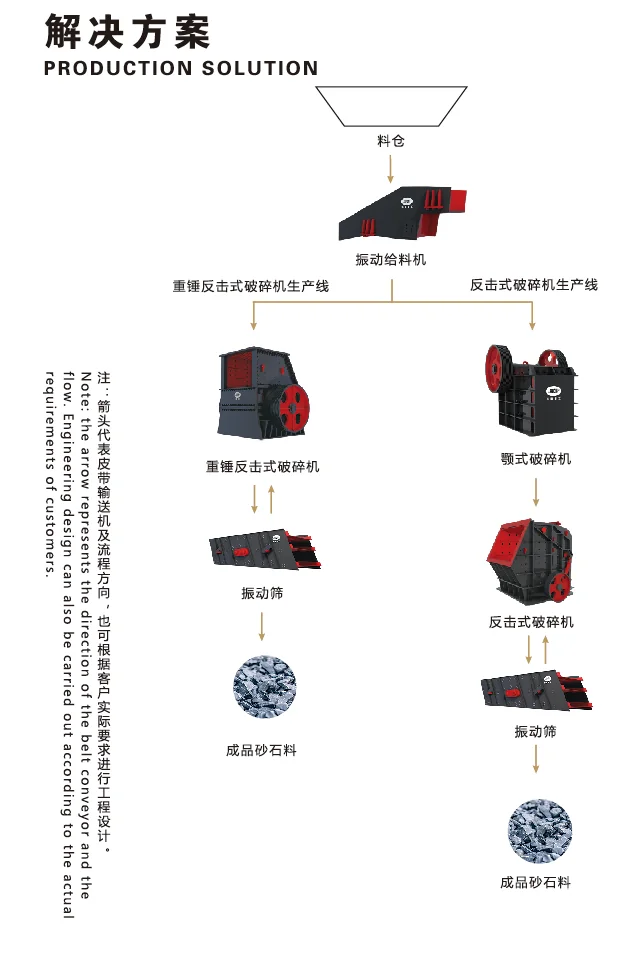
Crushing EquipmentJaw, cone, impact, hammer and mobile crushing machines.
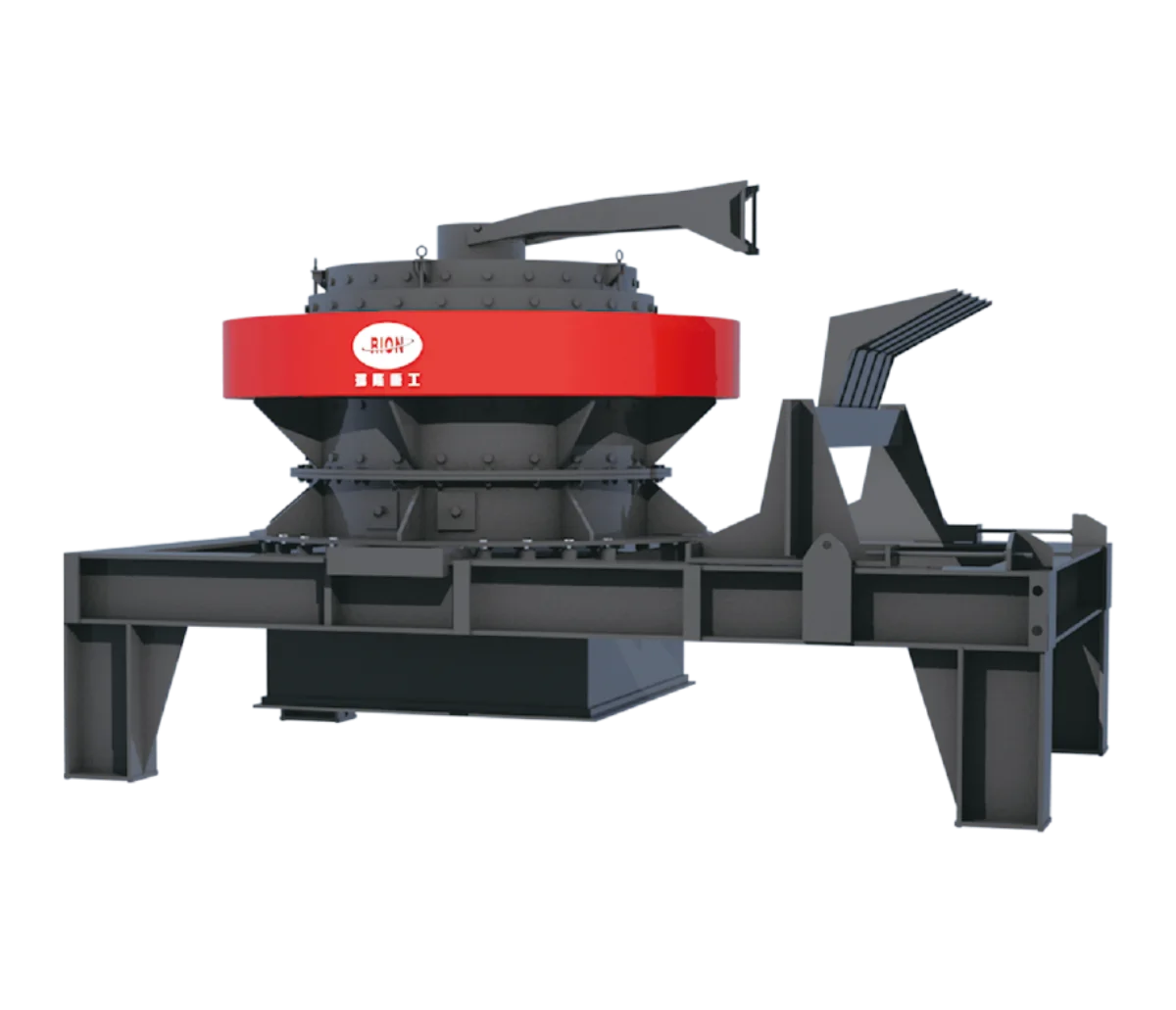
Sand Making EquipmentVSI, reversible and plate hammer sand making equipment.
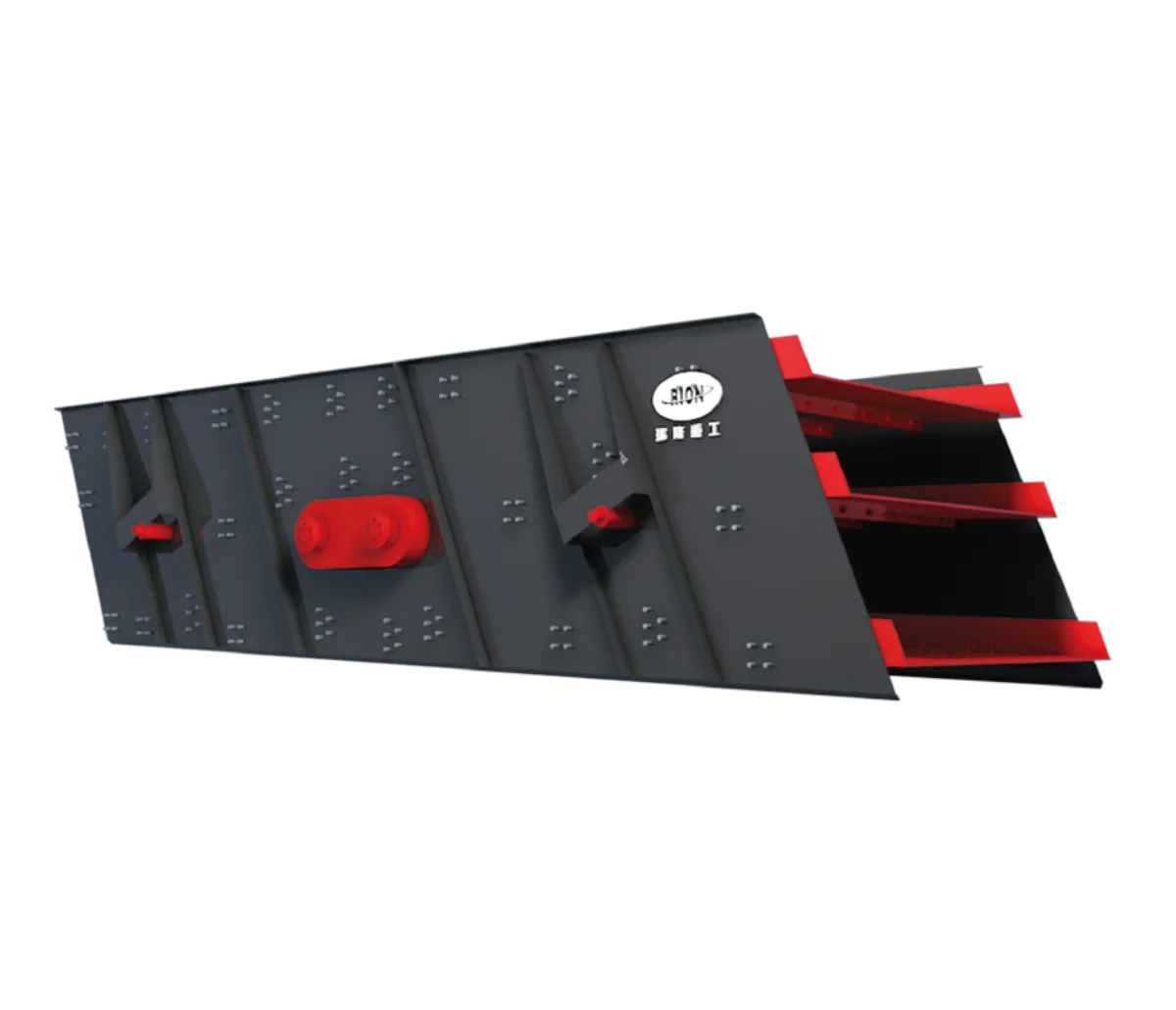
Screening EquipmentVibrating screens for grading and closed-circuit return.
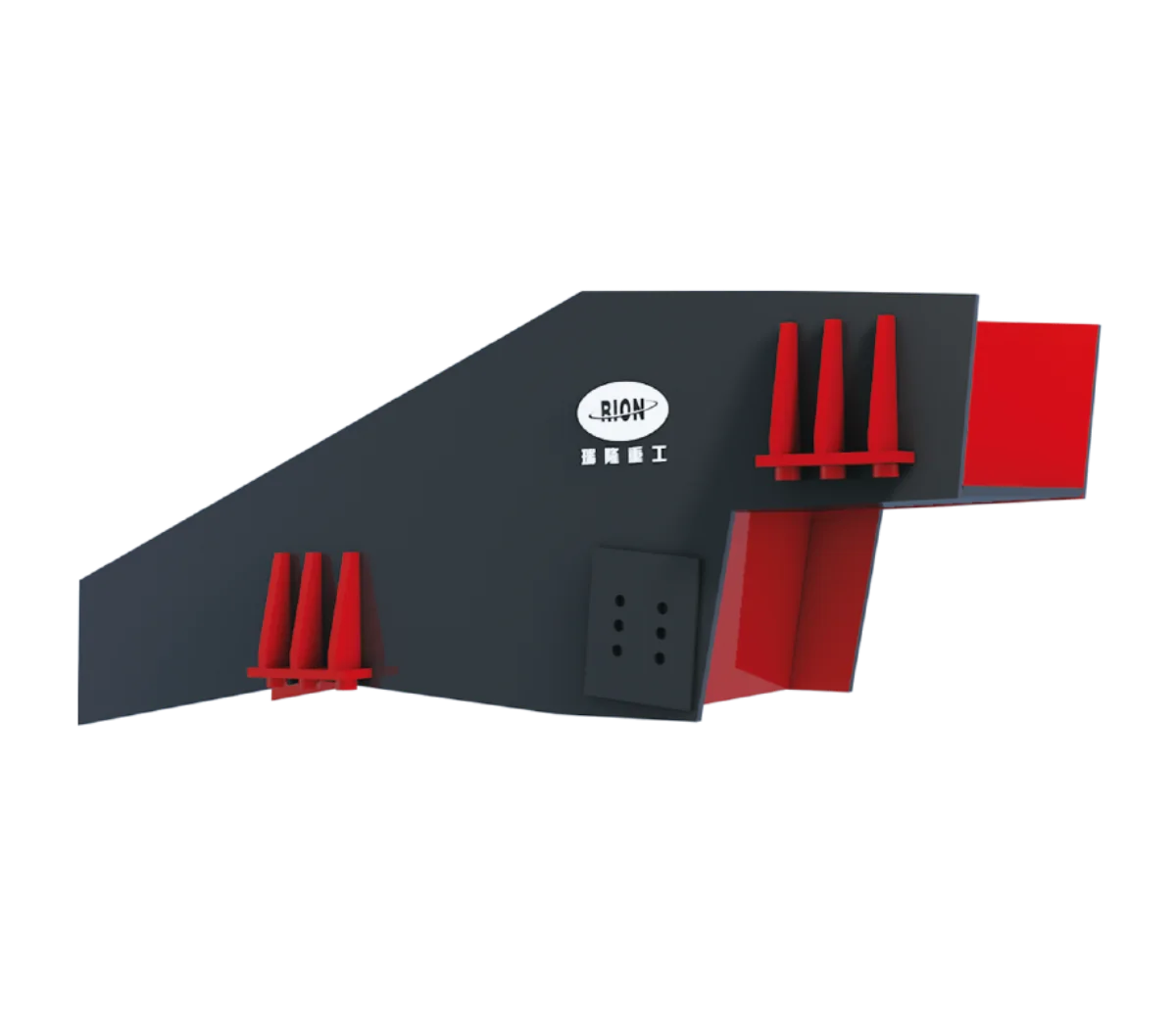
Feeding EquipmentMining feeders and vibrating feeders for stable material flow.Client solution records
Solution pages are organized from Ruilong customer materials: production-process diagrams, 3000 TPH aggregate line references and smart mine management systems.
Granite & Basalt AggregateCapacity: 100-800 TPH. Aggregate: granite, basalt and hard stone.
Aggregate Production SolutionCapacity: 300-3000 TPH. Aggregate: limestone, quarry stone and mixed stone.
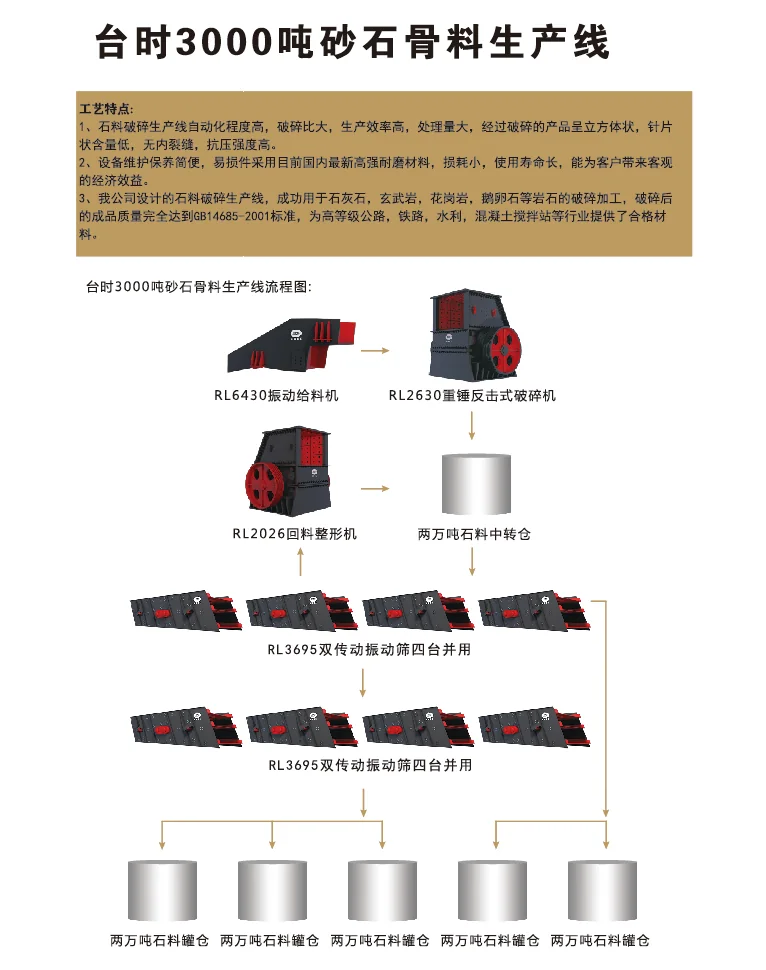
3000 TPH Aggregate LineCapacity: 3000 TPH reference. Aggregate: mine stone and high-volume quarry stone.
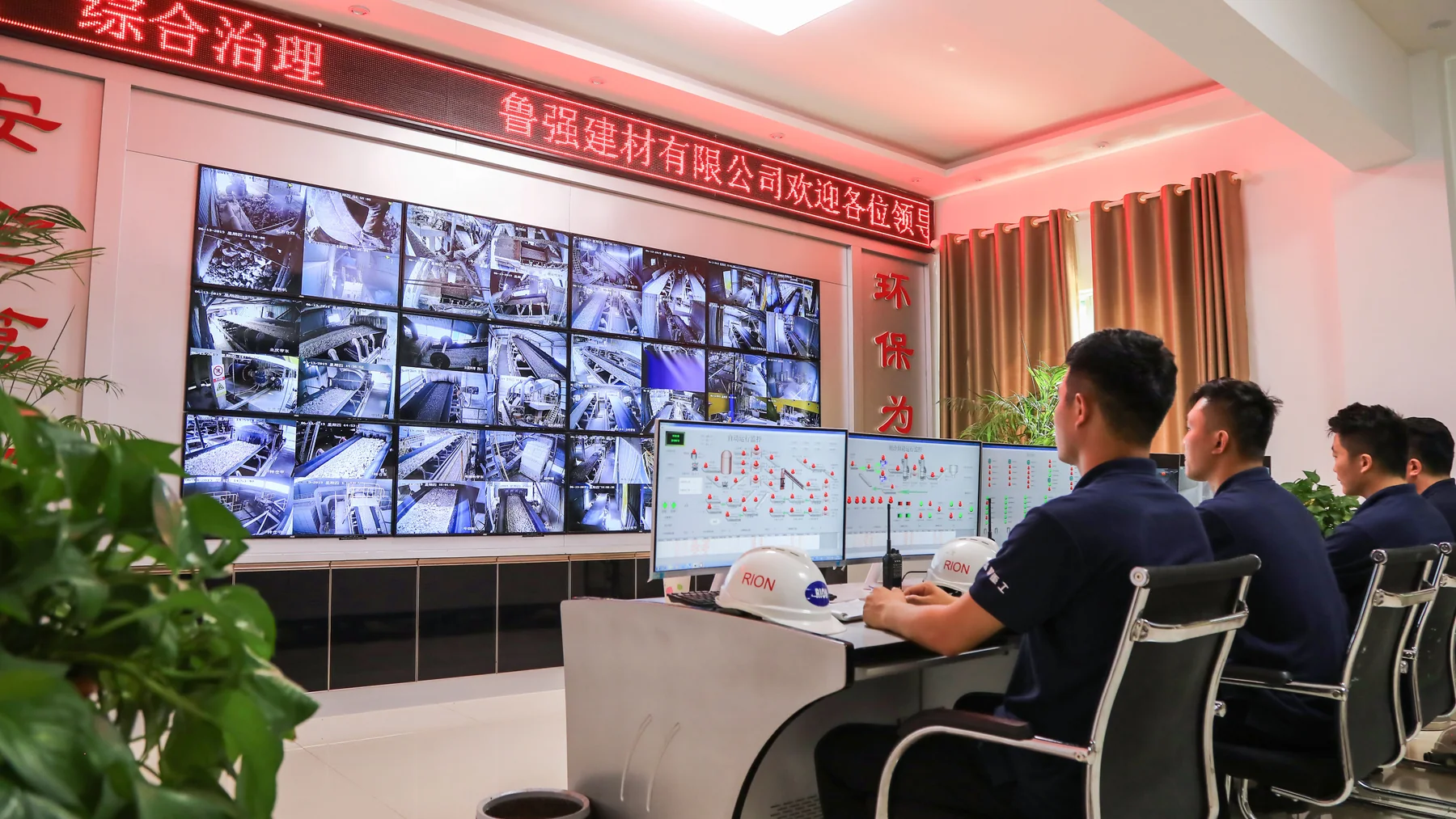
Smart Mine SystemCapacity: 1000-6000 TPH sites. Aggregate: quarry, mine stone and stockyard systems.Engineering support
Support pages for procurement teams, plant managers and equipment dealers.
Manufacturer profile
Learn how Ruilong develops equipment and project service capability for aggregate production systems.
Site handover
Installation and commissioning support focuses on foundation readiness, equipment alignment, start-up sequence, no-load checks, load testing and operator handover.
Check support height, equipment position, chute clearance and conveyor routing before installation.
Position equipment, connect motor and drive parts, align pulleys and check belt tension.
Confirm power, protection, emergency stop and motor rotation before test operation.
Run equipment and check noise, vibration, bearing temperature and leakage before feeding material.
Feed gradually, observe current, discharge and screening quality, then adjust process settings.
Provide operating sequence, maintenance notes and spare-part communication for site teams.
Operation support
Clear material data, equipment model information, operating hours and photos of wear condition help the service team respond with more accurate recommendations.