How Can B2B Buyers Specify National Bulk Equipment Hopper Feeder Requirements?
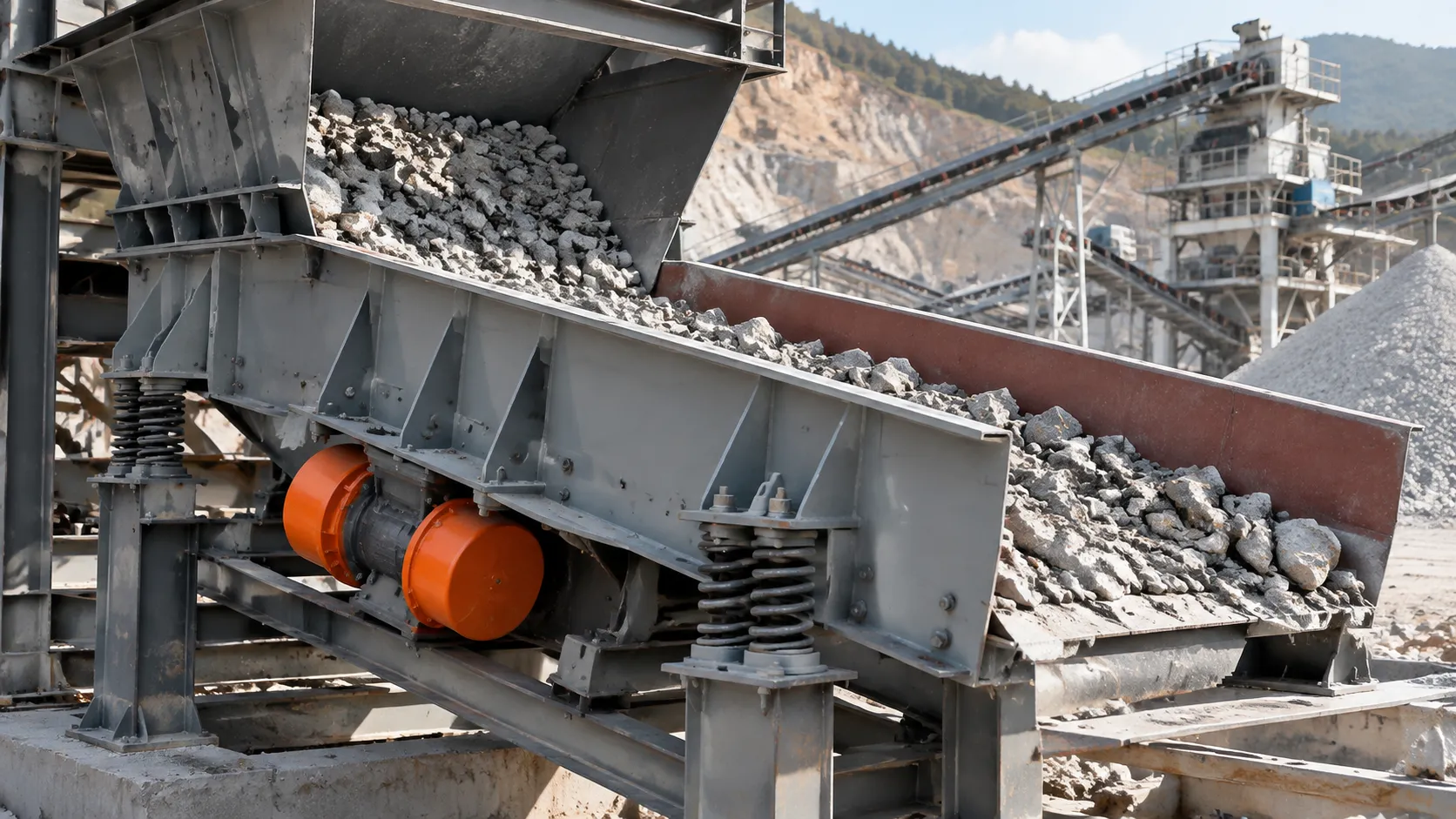
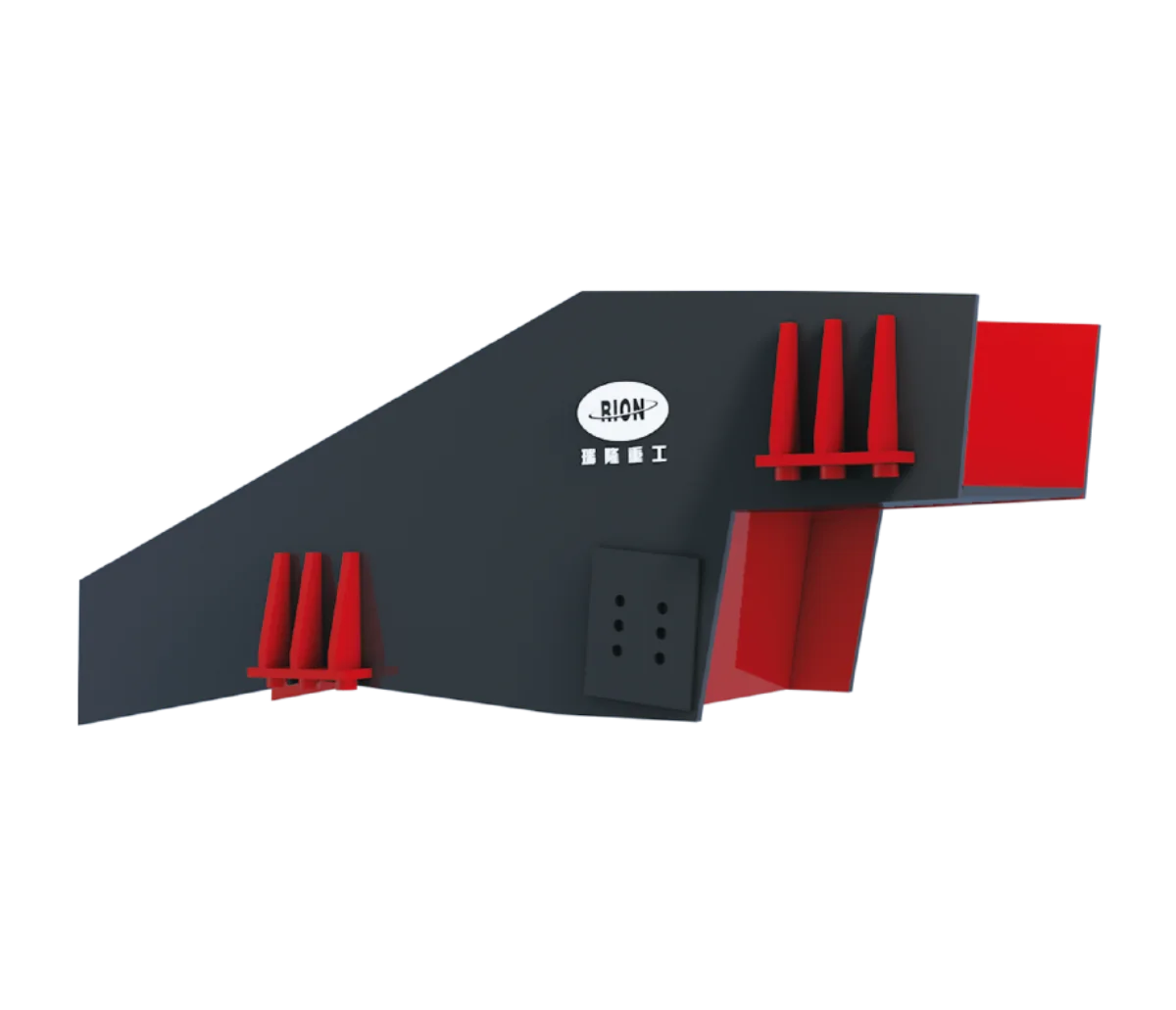
When sourcing a vibrating feeder for mining and aggregate projects, buyers need more than a product name or a simple quotation request. A practical procurement specification should connect the hopper feeder application, material handling requirements, equipment configuration and project conditions. For buyers searching for national bulk equipment hopper feeder solutions, defining clear requirements helps suppliers understand the actual operating environment and provide more suitable responses. A structured specification also allows purchasing teams to compare vibrating feeder manufacturers based on the same technical expectations.
Why Is a Clear Hopper Feeder Specification Important for Mining Projects?
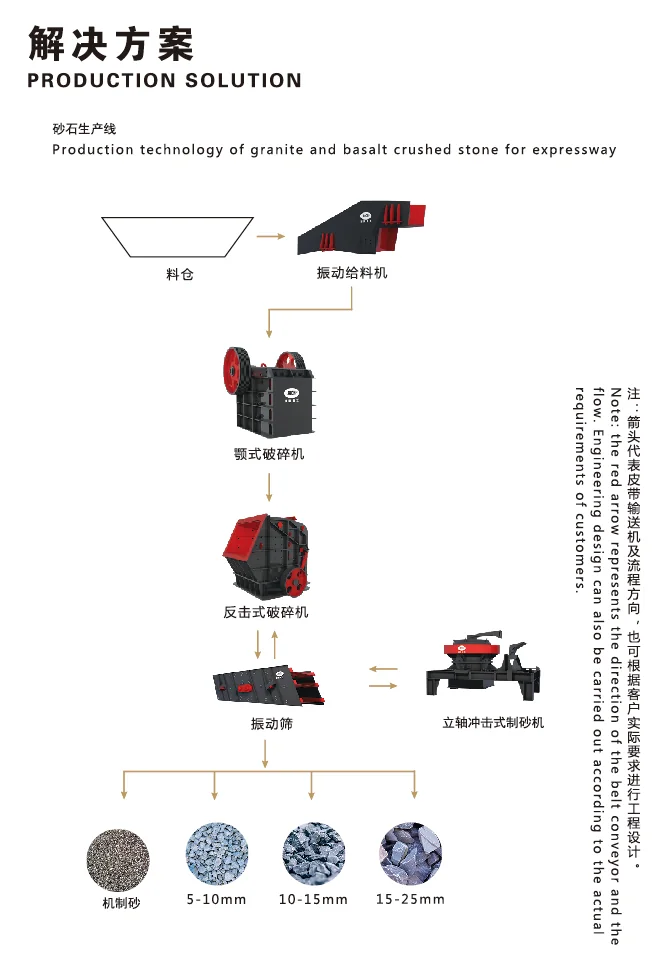
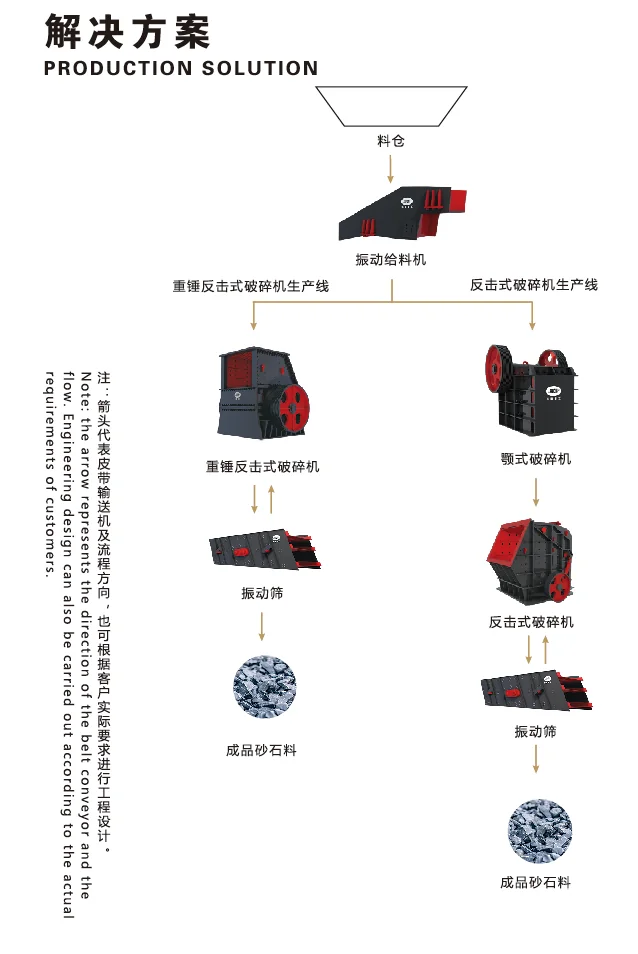
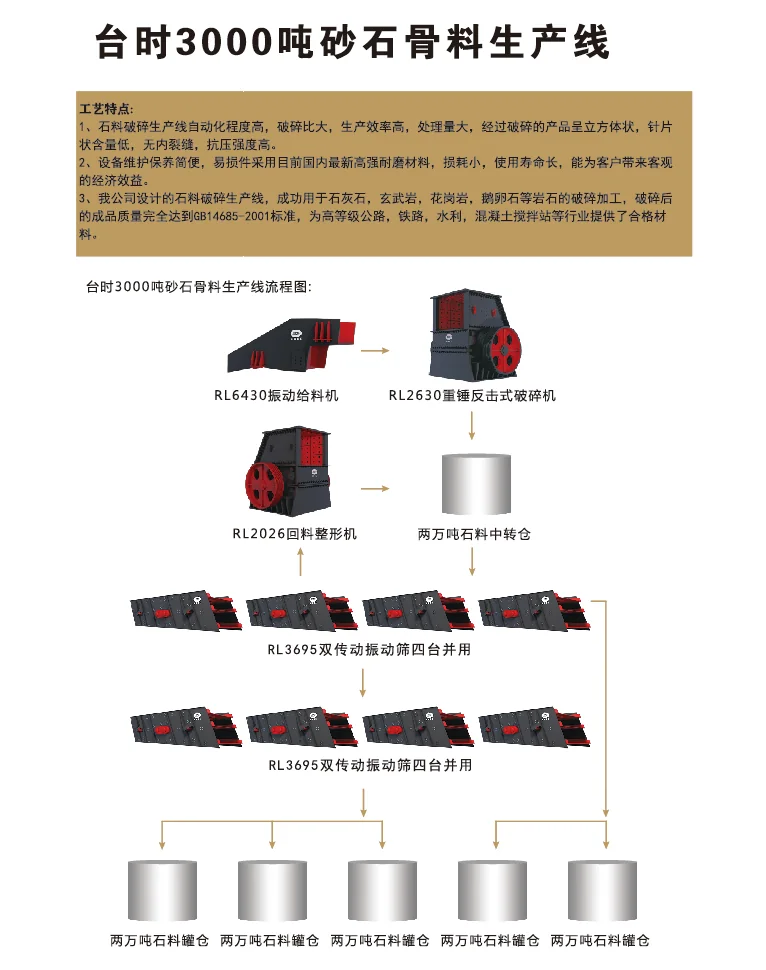
In mining and aggregate production, a feeder is not an isolated machine. It usually works as part of a larger material processing system that may include crushing, screening and conveying equipment.
Because of this, a hopper feeder requirement should explain how the equipment will work within the complete production process rather than only describing the machine itself.
Before selecting a vibrating feeder manufacturer, buyers should consider:
- What material will be handled?
- Where will the feeder be installed in the production process?
- What feeding conditions should be considered?
- What information does the supplier need for equipment selection?
Without this information, different suppliers may interpret the same hopper feeder request differently, resulting in quotations based on different assumptions.
What Information Should Buyers Provide When Sourcing a Vibrating Feeder?
A useful RFQ helps mining equipment suppliers understand the actual project requirement. Instead of requesting only a price, buyers should provide information that affects equipment selection and application suitability.
| Requirement | Why It Matters |
|---|---|
| Material information | Helps suppliers understand the characteristics of the material being processed. |
| Feeding application | Defines where the vibrating feeder will operate within the production process. |
| Required capacity | Helps suppliers evaluate the expected feeding requirement. |
| Installation conditions | Provides information about the working environment. |
| Production line relationship | Shows how the feeder connects with other equipment. |
For a bulk material handling feeder project, these details help suppliers understand whether the proposed equipment matches the buyer’s application requirements.
How Does a Vibrating Feeder Work Within a Crushing Plant?
A vibrating feeder is commonly used to control the movement of bulk material into the next stage of a processing system. In a crushing plant, the feeder may influence how material enters downstream equipment.
Therefore, buyers should evaluate the feeder not only as an individual machine but also as part of the complete production flow.
Important considerations include:
- The relationship between the feeder and upstream material storage.
- The connection between feeding process and crushing equipment.
- The expected material flow condition.
- The coordination between different stages of the production line.
This system-level view helps buyers create a more complete equipment specification instead of selecting equipment only by product category.
Which Variables Should Buyers Confirm Before Selecting a Mining Feeder Supplier?
The right vibrating feeder solution depends on several project variables. Buyers should identify the factors that directly affect equipment suitability before comparing suppliers.
Key decision variables may include:
- Material characteristics.
- Feeding requirements.
- Production line configuration.
- Installation environment.
- Required supplier support during project communication.
Each variable affects the final equipment discussion. For example, a feeder used in one production arrangement may require different considerations from a feeder installed in another crushing or screening process.
How Should Buyers Compare Vibrating Feeder Manufacturers?
When multiple suppliers provide vibrating feeder quotations, buyers should compare whether each supplier is responding to the same technical requirement.
| Evaluation Area | Buyer Question |
|---|---|
| Application understanding | Does the supplier understand the actual production requirement? |
| Equipment matching | Does the proposed feeder configuration fit the project condition? |
| Technical communication | Can the supplier explain equipment selection considerations clearly? |
| Project coordination | Can the supplier support communication between equipment and production requirements? |
A reliable comparison process focuses on product suitability and technical alignment rather than comparing price alone.
What Should Be Included in a Vibrating Feeder RFQ?
A detailed RFQ allows a mining equipment supplier to understand the project requirement before preparing a quotation. For vibrating feeder projects, buyers should provide information that helps suppliers evaluate equipment suitability and production integration.
A practical vibrating feeder RFQ may include:
| RFQ Information | Purpose |
|---|---|
| Material type | Helps suppliers understand the characteristics of the material being handled. |
| Application location | Defines where the feeder will be installed within the production process. |
| Production requirements | Provides a reference for equipment selection and project evaluation. |
| Connection with other equipment | Helps suppliers understand the relationship between feeder and crushing or screening systems. |
| Project conditions | Clarifies installation and operating environment requirements. |
The purpose of an RFQ is not only to request a price. It creates a common technical reference so buyers and suppliers can discuss the same equipment requirement.
How Can Buyers Verify a Mining Feeder Supplier Before Purchase?
Before purchasing mining equipment, buyers should confirm whether supplier information matches the actual project requirement. Verification helps reduce misunderstandings between quotation, equipment selection and final installation.
Buyers may review:
- Product information related to the vibrating feeder.
- Equipment application information.
- Technical communication regarding project conditions.
- Supplier response to application-specific questions.
- Equipment integration requirements.
The purpose of verification is to understand whether the proposed equipment can fit the project requirement, rather than simply collecting product descriptions.
When Does a Hopper Feeder Requirement Need Additional Confirmation?
A hopper feeder specification may require additional discussion when the equipment is part of a complete crushing or aggregate production system.
The final equipment selection may change depending on:
- The material processing process.
- The production line arrangement.
- The required feeding conditions.
- The connection between different equipment stages.
- The project-specific operating environment.
This means buyers should define the application boundary before comparing different vibrating feeder suppliers. A general equipment keyword cannot replace a project-specific specification.
How Does Ruilong Support Crushing and Aggregate Equipment Projects?
Ruilong provides mining equipment solutions covering crushing, screening, sand making, aggregate production lines and electrical automation support for global mining, quarry and infrastructure projects.
The company focuses on connecting individual equipment selection with complete production requirements, including equipment matching, production line planning and project support.
For buyers evaluating vibrating feeder requirements, the product page can be used as a reference for discussing equipment specifications and application needs:
Final Checklist Before Purchasing a Vibrating Feeder
Before sending an inquiry to a vibrating feeder manufacturer, buyers can confirm:
- Is the material application clearly defined?
- Is the feeder position in the production line confirmed?
- Are project conditions explained?
- Are equipment requirements clearly described?
- Are supplier confirmation questions prepared?
A clear specification helps buyers receive more accurate supplier responses and reduces uncertainty during mining equipment procurement.
Buyers can submit project requirements and equipment questions through the Ruilong inquiry channel for further communication.
FAQ
What is a vibrating feeder used for in mining projects?
A vibrating feeder is used to control the movement of bulk material within a processing system. Its selection depends on the project application, material conditions and production requirements.
What information should buyers provide when purchasing a mining feeder?
Buyers should provide information about material application, production requirements, installation conditions and how the feeder connects with other equipment.
How should buyers compare vibrating feeder suppliers?
Buyers should compare suppliers based on equipment suitability, technical communication, application understanding and project requirements rather than price alone.
Why is an RFQ important for mining equipment procurement?
An RFQ helps suppliers understand the project requirement and allows buyers to compare responses based on clearer technical information.