
Additive Hammer Crusher: How to Match Feed Properties, Target Size and Process Flow
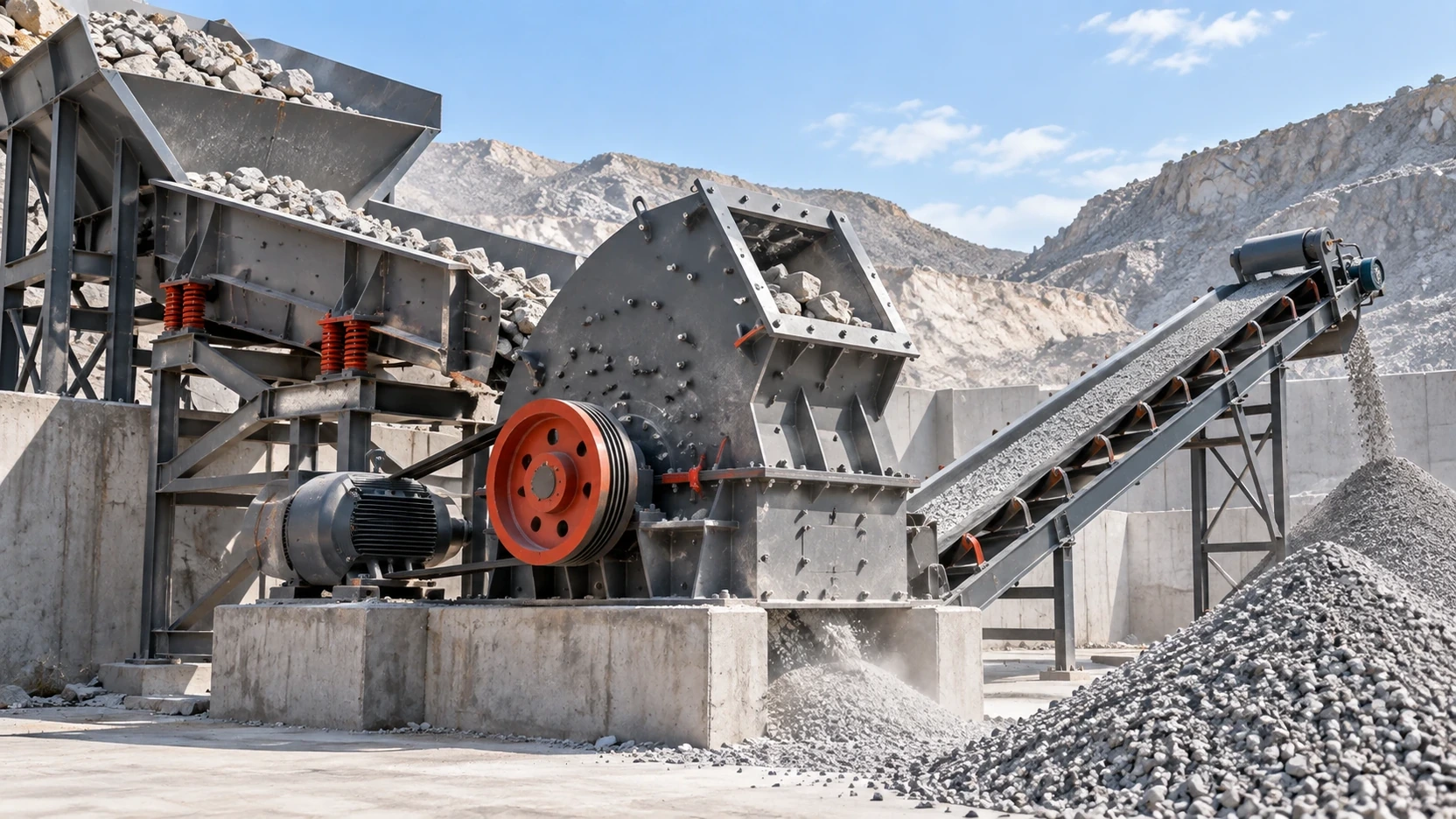
An additive hammer crusher should be selected as part of a material-preparation flow, not as an isolated machine. The buyer first needs to define the additive material, normal and maximum feed size, moisture condition, hardness or abrasiveness evidence, required product size, target capacity and the downstream process. Only then can the supplier judge whether hammer crushing is a practical route, whether screening is needed after crushing, and how the feeder and discharge system should be arranged. For RION MACH projects, this process-based approach is more useful than selecting a hammer crusher from a headline capacity figure alone.
RION MACH, also presented as Ruilong Heavy Industry on its equipment pages, supplies crushing, screening, feeding and conveying equipment for quarry, mining and aggregate-processing projects. Its crushing portfolio includes jaw, cone, impact, heavy hammer and mobile crushing equipment. Within that portfolio, hammer crushing is positioned mainly for limestone and other medium-to-low-hardness materials, which makes material confirmation the first gate for any additive-crushing request.
What Does “Additive Hammer Crusher” Mean in a Real Plant?
The word “additive” describes the material’s role in the buyer’s process; it does not describe how the material behaves inside a crusher. Two materials can both be called additives yet have very different lump size, moisture, abrasiveness and breakage behavior. That is why an RFQ for additive crushing equipment should not stop at a material name.
A supplier needs to understand whether the material arrives as dry lumps, wet agglomerates, friable stone, clay-bearing feed or a more abrasive mineral. The same hammer-crusher concept may behave very differently under those conditions. If the material description is vague, equipment sizing is forced to absorb too many unknowns.
Selection boundary: this article does not assume that every additive should be processed by a hammer crusher. The correct crusher route depends on feed properties, required reduction, product-size control and the surrounding process.
Start With Material Properties Before Choosing a Hammer Crusher Model
For a hammer crusher for additive material, the most useful first data set includes material name, hardness or strength evidence where available, abrasiveness, moisture, bulk density and any sticky or clay-bearing behavior. These variables affect impact breakage, flow through the chamber, wear exposure and the chance of material build-up.
RION MACH’s broader crusher selection logic separates harder and more abrasive stone from medium- or lower-hardness material. Jaw and cone crushers are normally considered where hard-rock reduction dominates; impact and hammer routes are evaluated where the material and product target suit impact-based breakage. That portfolio matters because the supplier can compare alternative routes instead of forcing every feed into one crusher type.
For a buyer, the practical question is therefore not “Do you sell a hammer crusher?” but “Does this material fit a hammer-crushing duty without creating an avoidable wear, blockage or product-control problem?”

Hammer Crusher Feed Size Must Be Defined With More Than One Number
The hammer crusher feed size is often reduced to a single maximum lump dimension in an inquiry. That is useful, but it is not enough. A plant can receive a small percentage of oversize lumps while most of the feed is much finer. Another plant can send a consistently coarse feed with few fines. Those two feeds can create different loading and throughput behavior even when the same maximum size is reported.
A stronger RFQ therefore includes:
- normal feed-size range;
- maximum expected lump size;
- approximate feed gradation if available;
- percentage of fines or powder already present;
- moisture variation during normal and wet operating periods;
- any foreign material or contamination that may affect feeding.
If the normal feed is outside the intended duty of the selected hammer crusher, the plant may need upstream size reduction, different feeding control or another crusher route. That decision should be made before the project is priced, not after installation.
Target Output Size Defines the Required Reduction
An additive crusher is only useful when its discharge matches the next process. Buyers should therefore define the hammer crusher output size or downstream acceptance limit before asking for a model recommendation. A request such as “crush this additive finer” does not give the supplier enough information to determine the reduction duty or whether screening is required.
The key relationship is straightforward:
Feed gradation → required product size → reduction duty → crusher configuration → downstream separation.
If the downstream system accepts a relatively broad crushed product, the circuit may remain simple. If the next process requires a controlled top size or a narrower grading, screening may become part of the solution. If oversize must be returned, the recirculating load also needs to be considered when sizing the crusher and screen.
Where Should the Additive Hammer Crusher Sit in the Process Flow?
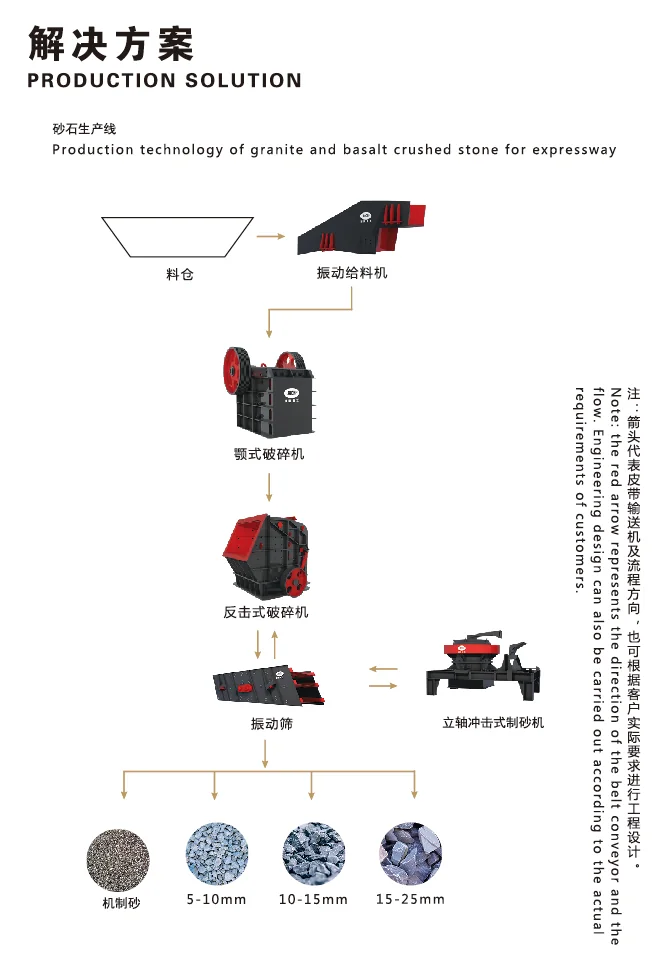
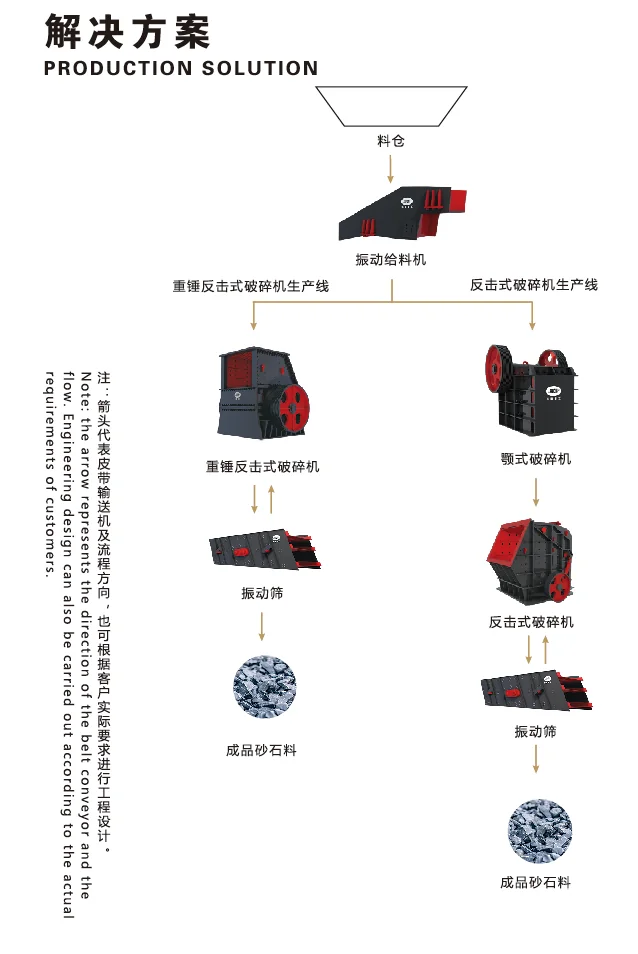
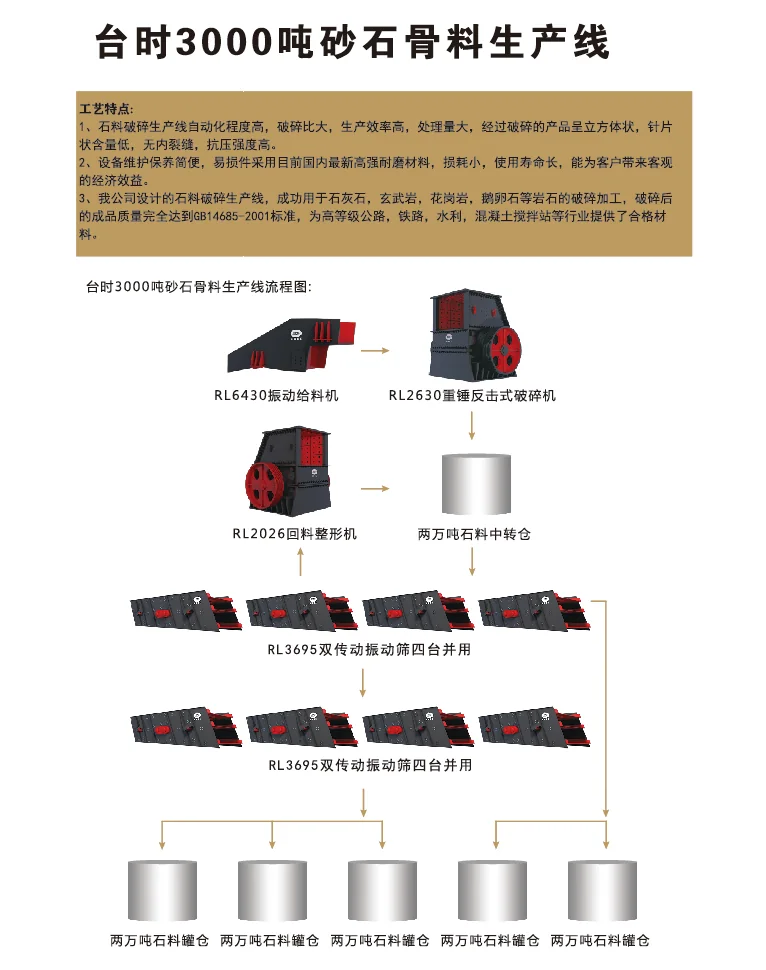
For many projects, the useful discussion is not the crusher alone but the full additive crushing and screening line. A typical planning sequence can be expressed as:
Material receiving → controlled feeding → hammer crushing → screening when required → conveying → downstream storage or process.
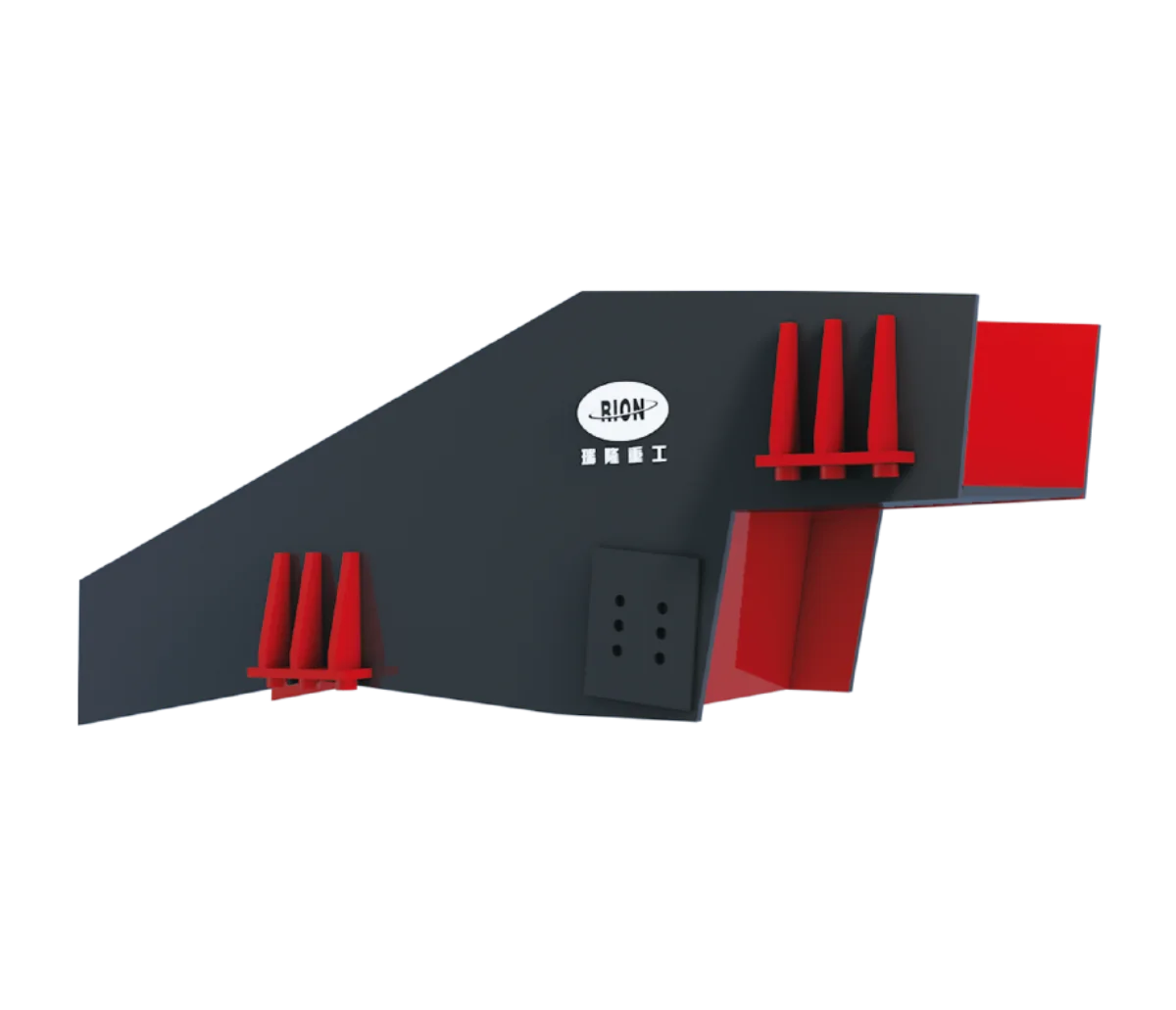
Each interface matters. A feeder that cannot deliver a stable material flow can cause uneven crusher loading. A discharge conveyor that is undersized can become the real bottleneck. A screen that is selected only by deck area without considering product grading and load can limit the whole line.
RION MACH’s product portfolio includes vibrating feeders, screens and conveying equipment in addition to crushers, so a project can be discussed as an integrated material flow rather than as a standalone machine purchase. Buyers can review the broader product categories before narrowing the RFQ to the required crushing stage.
When Does a Hammer Crusher With Screening Make Sense?
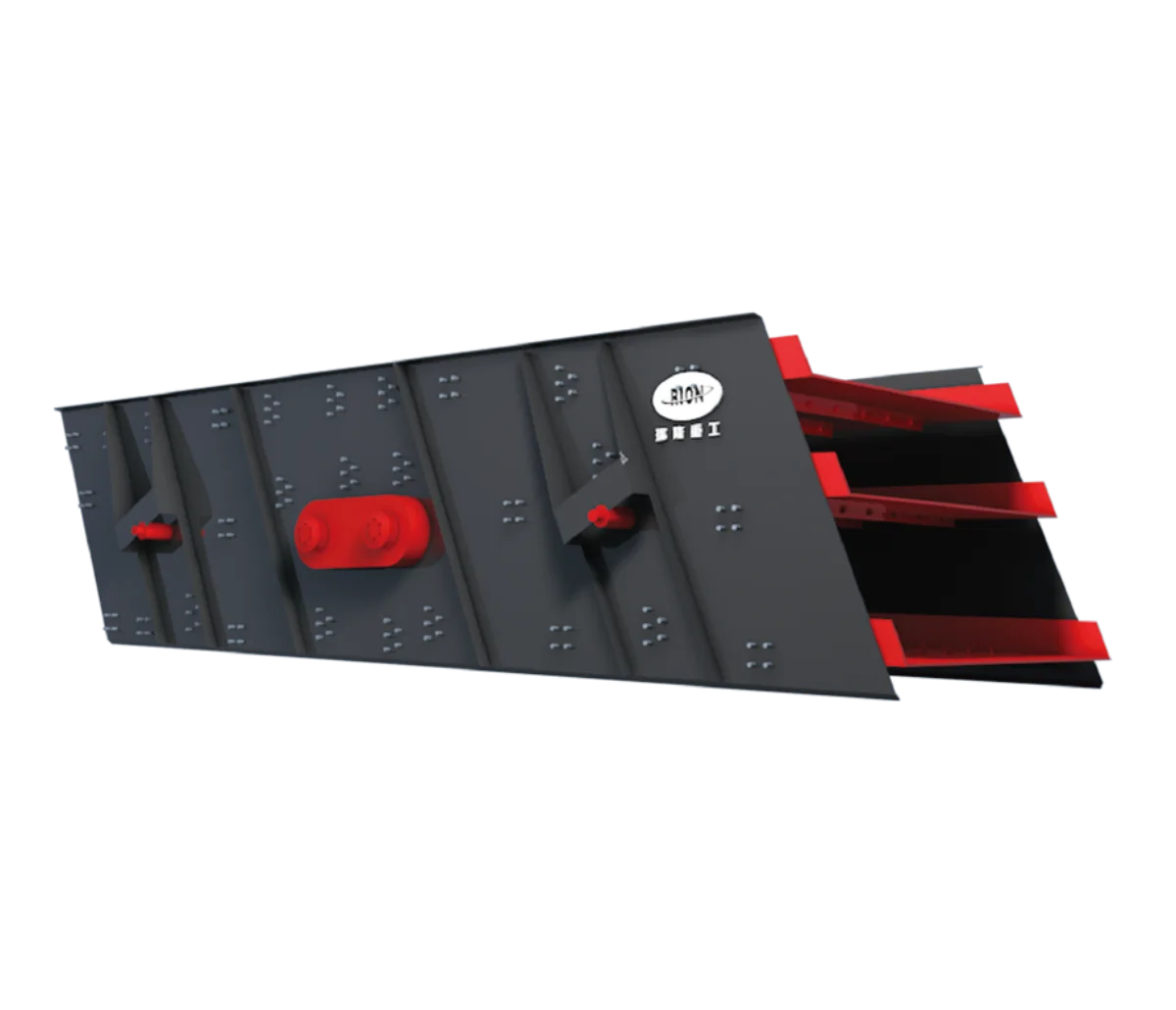
A hammer crusher with screening system should be considered when the downstream process needs a controlled top size or multiple defined size fractions. Screening can separate acceptable material from oversize and, depending on the process design, allow oversize to return for further reduction.
However, screening should not be added automatically. It creates another capacity constraint, another wear point and another transfer interface. The buyer should first define what the downstream process actually needs. If a broad product is acceptable, an unnecessary closed circuit may increase project cost and maintenance without improving the final process.
If screening is required, the RFQ should identify:
- required final size or size fractions;
- whether oversize returns to the crusher;
- expected fines content;
- target capacity on a feed basis or finished-product basis;
- space available for screen and conveyor layout.
RION MACH’s Vibrating Screen and Vibrating Feeder pages are useful follow-on references when the additive line requires controlled feeding and classification.
Capacity Must Be Defined for the Whole Additive Crushing Line
Hammer crusher capacity selection is meaningful only when every major process stage is considered on the same basis. The buyer should distinguish design capacity, normal operating capacity and peak requirement. It is also useful to state operating hours per day and whether the plant runs continuously or in batches.
A crusher with adequate nominal capacity does not create an adequate line if the feeder, screen, conveyor or storage interface becomes the bottleneck. Likewise, a screen sized for clean dry feed can behave differently if the additive arrives with more moisture and fines than expected.
This is why RION MACH asks project buyers for material, feed size, required output size and capacity when preparing an equipment recommendation. Those inputs make it possible to size the circuit around the duty instead of matching one catalogue number.
When Should Another Crusher Route Be Evaluated?
A professional additive-crushing proposal should include a boundary condition: when is the hammer route no longer the preferred starting point? Another crusher route deserves review when the feed is significantly harder or more abrasive, when large feed requires a different primary stage, when product-shape control becomes a separate objective, or when the process cannot tolerate the expected fines or wear profile.
RION MACH’s crusher portfolio provides several alternatives:
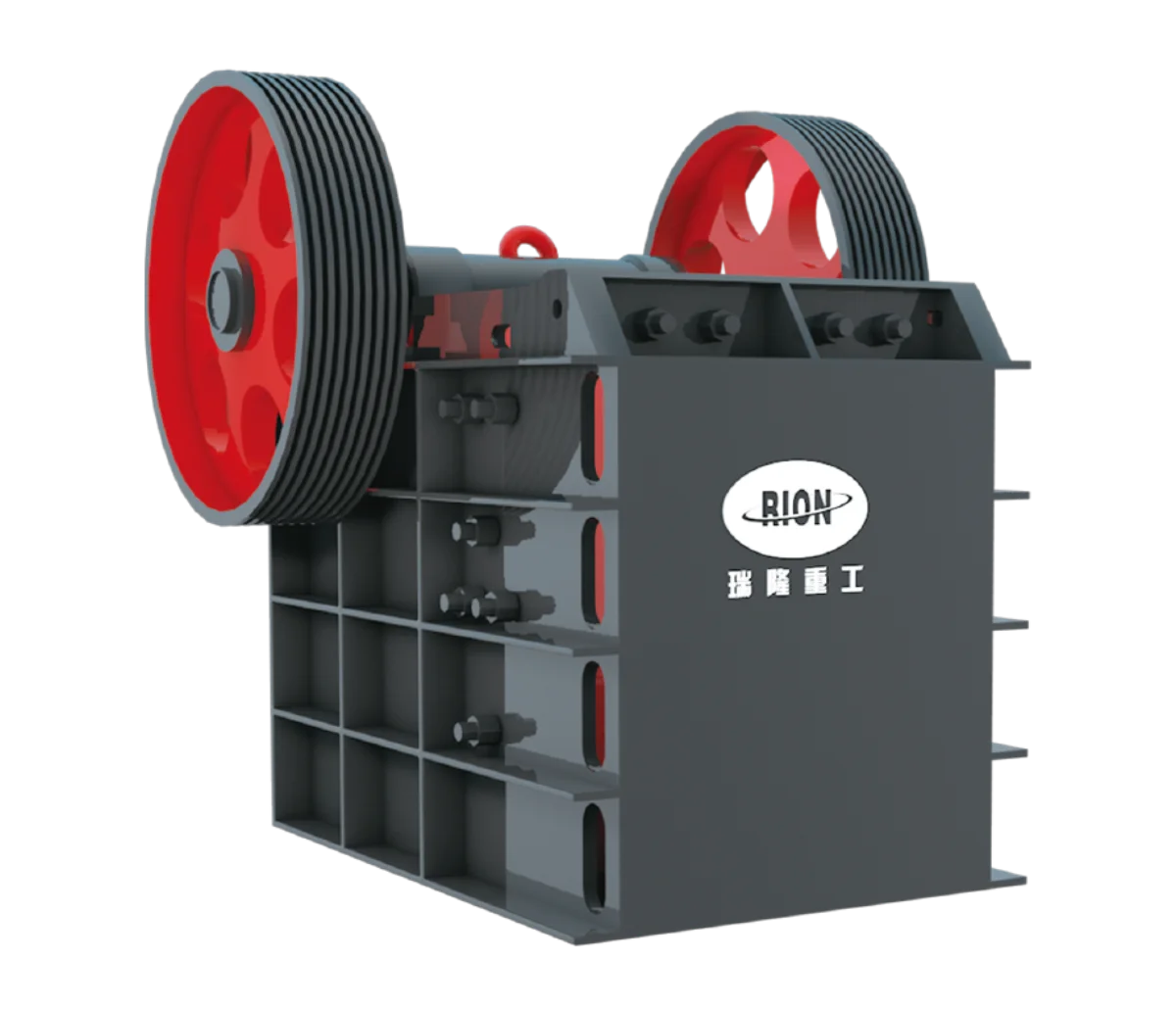
- Jaw Crusher: commonly used for primary reduction and larger hard-rock feed.
- Cone Crusher: suited to secondary or fine crushing of hard and abrasive stone where grading control matters.
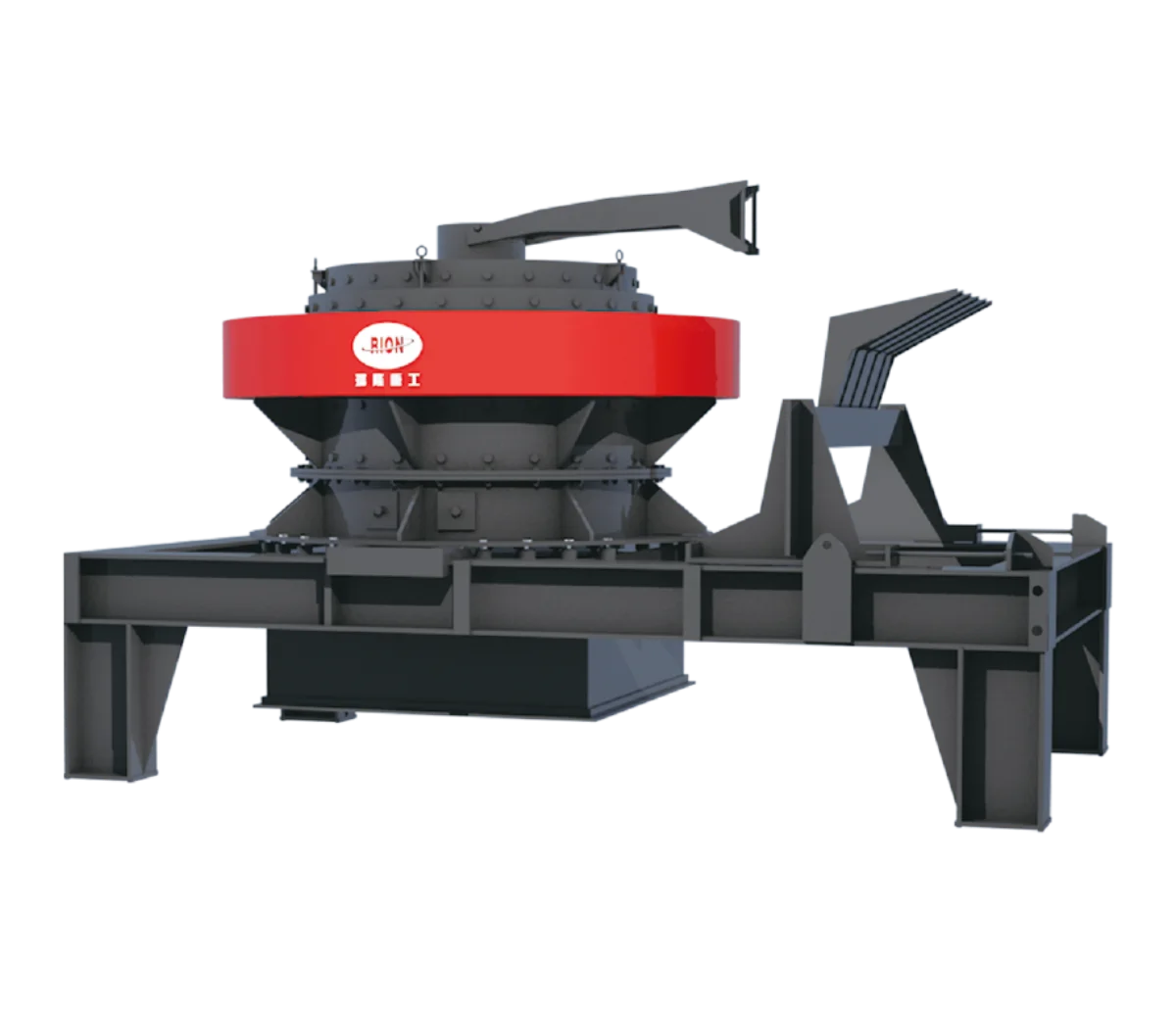
- Impact Crusher: used for medium-hard material and aggregate shaping where impact reduction fits the material.
- Heavy Hammer Crusher: considered for suitable limestone and medium-to-low-hardness crushing duties.
- Mobile Crusher: evaluated when site mobility and relocation change the project layout.
The purpose of this comparison is not to turn one additive article into a general crusher guide. It is to prevent a hammer crusher from being selected simply because the keyword matches the inquiry.
What Should the Buyer Send in an Additive Hammer Crusher RFQ?
| RFQ Variable | Buyer Input | Why It Changes the Proposal |
|---|---|---|
| Additive material | Material name and process description | Creates the first crusher-fit boundary |
| Feed size | Normal range plus maximum lump | Controls inlet duty and reduction requirement |
| Hardness / abrasiveness | Available material or test data | Affects crusher route and wear planning |
| Moisture / stickiness | Normal and wet-condition estimate | Affects feeding, discharge and blockage risk |
| Required output | Maximum size or target grading | Defines reduction and screening need |
| Capacity | Normal, peak and operating-hour basis | Supports whole-line sizing |
| Screening | Required fractions or downstream limit | Defines open- or closed-circuit scope |
| Site conditions | Layout, power and installation constraints | Affects equipment arrangement and auxiliaries |
The supplier response should do more than name a model. It should state the proposed crushing route, assumed feed condition, selected equipment scope, screening or feeding modules included, and any material condition that could change the recommendation. This makes competing quotations easier to compare.
Use the Crusher as One Part of the Additive-Preparation Decision
Buyers evaluating an industrial hammer crusher can review RION MACH’s Heavy Hammer Crusher as one possible equipment route, then connect it to the surrounding feeder, screen and conveyor scope. If the project needs a broader plant layout, the Aggregate Production Solution provides a useful reference for integrated crushing and screening logic.
For an RFQ, the most useful handoff is a material description plus feed size, target output, capacity and site constraints. Those project inputs can be submitted through the RION MACH project inquiry so the equipment recommendation is based on the actual additive process rather than the keyword alone.