
How to Compare Capacity, Crusher Type and Total Cost
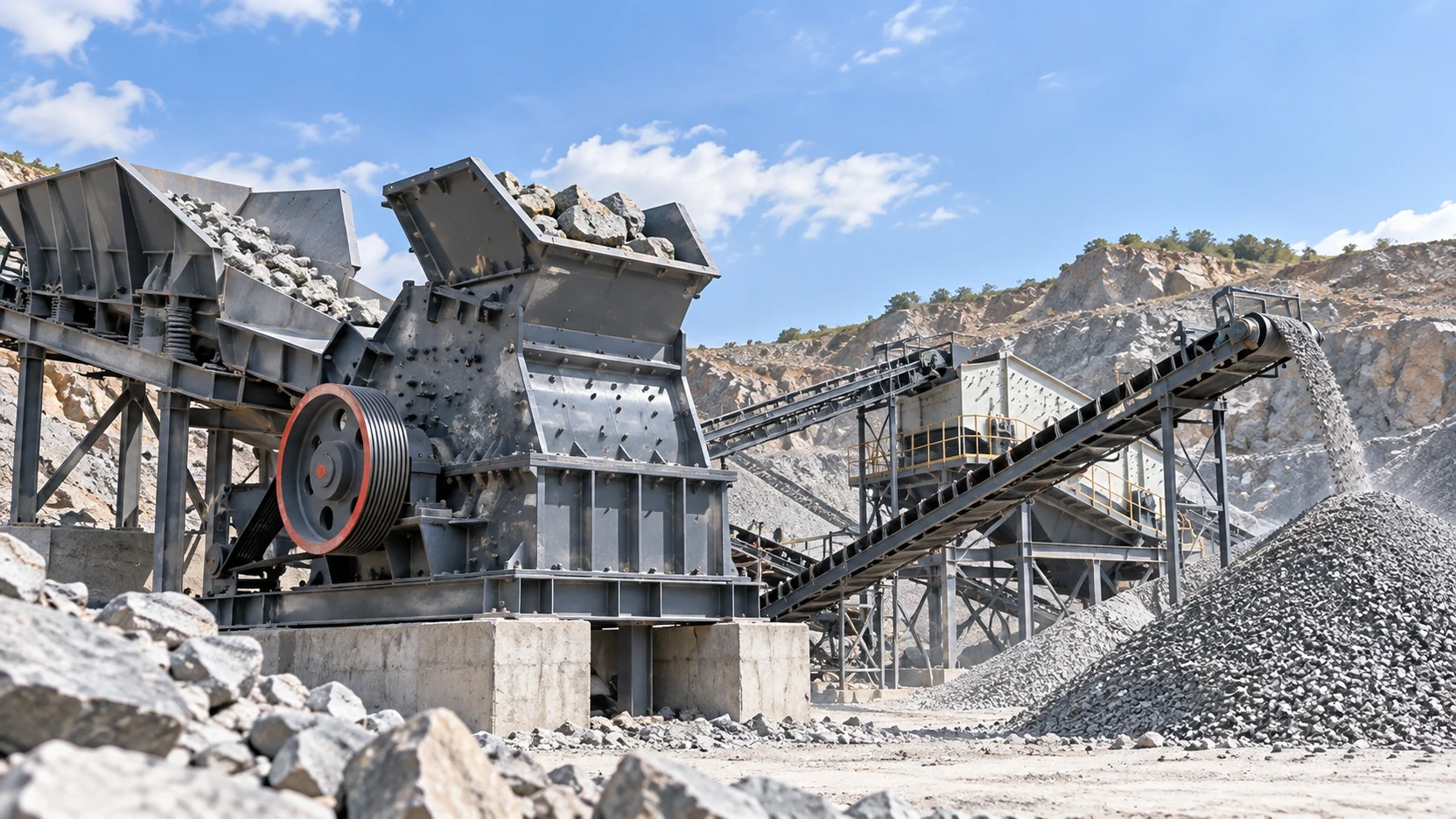
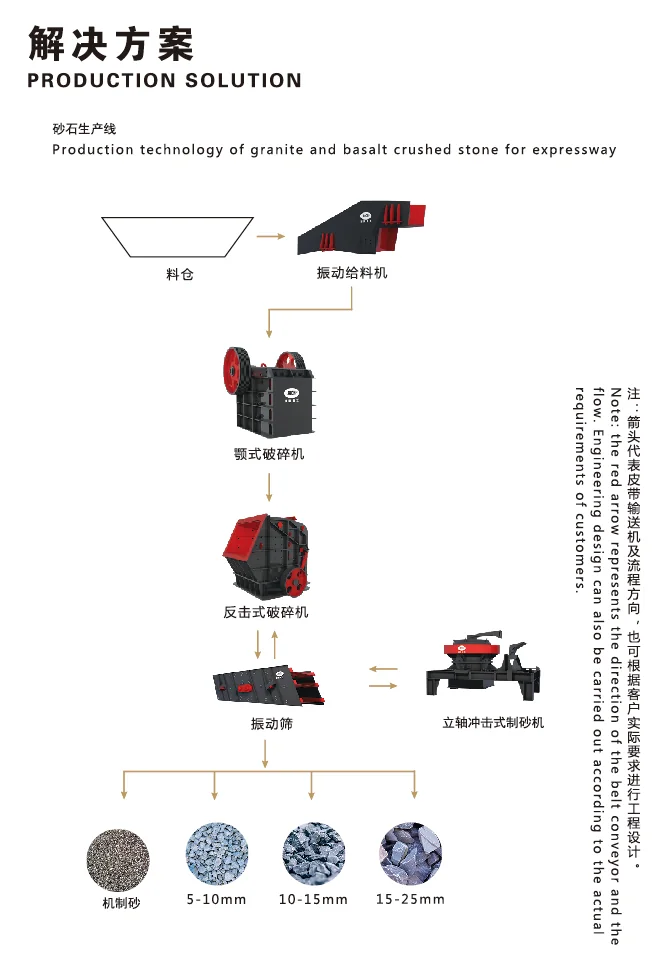
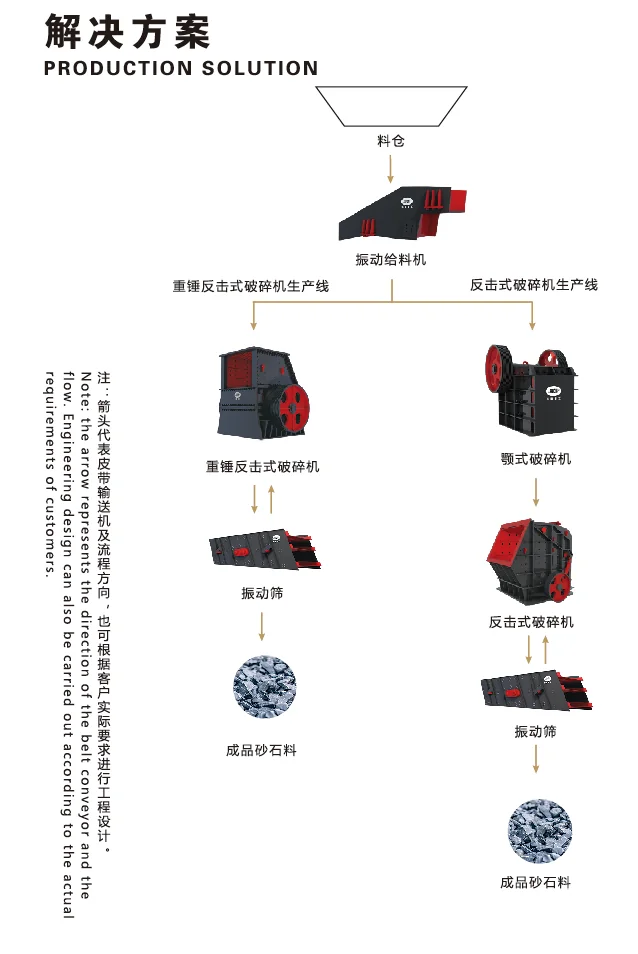
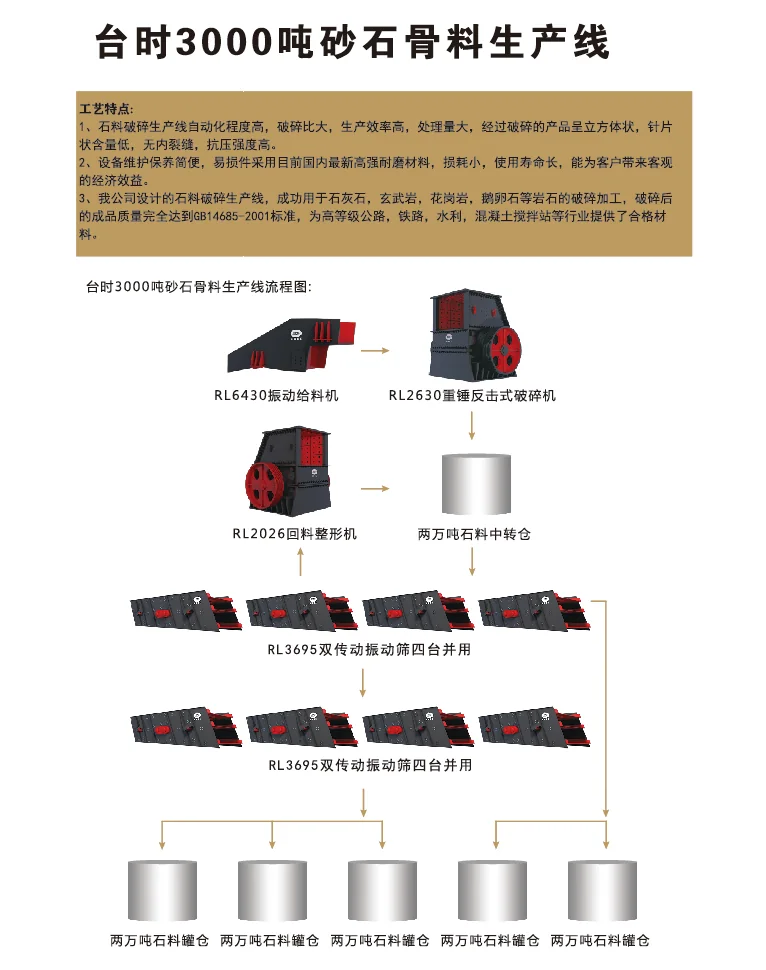
Affordable rock crushing equipment for sale should be compared by the cost of meeting a defined production duty, not by the lowest crusher price on a quotation. A buyer first needs to normalize rock type, feed size, final product size, required capacity, crusher stage, mobility and auxiliary-equipment scope. Only after those conditions match can two offers be compared fairly. RION MACH’s equipment portfolio—jaw, cone, impact, hammer and mobile crushers plus feeding, screening and conveying equipment—allows the quotation to be evaluated as a crushing route rather than as one isolated machine.
For quarry, mining, aggregate and contractor buyers, “affordable” is therefore a project term. A cheaper main crusher can become the more expensive option if it requires extra crushing stages, causes excessive wear, cannot reach the target capacity, or excludes feeders, screens, conveyors and commissioning-related scope that another supplier has already included.
What Does “Affordable” Mean for Rock Crushing Equipment?
When buyers search for rock crusher equipment for sale, the first comparison is often the equipment price. That number matters, but it represents only one part of the project. A better cost structure separates three layers:
- Initial equipment cost: crusher, drive and quoted standard scope.
- Installed project cost: feeding, screening, conveyors, steelwork, controls, transport, foundations and installation responsibilities where applicable.
- Operating cost: energy, wear parts, planned maintenance, unplanned downtime and the labor needed to keep the circuit running.
A quote can look inexpensive because one or more of these layers is missing. For this reason, an affordable stone crusher machine is not simply the unit with the lowest purchase price; it is the configuration that reaches the required output without creating avoidable downstream or lifecycle cost.
Start With Rock Type Before Comparing Crusher Prices
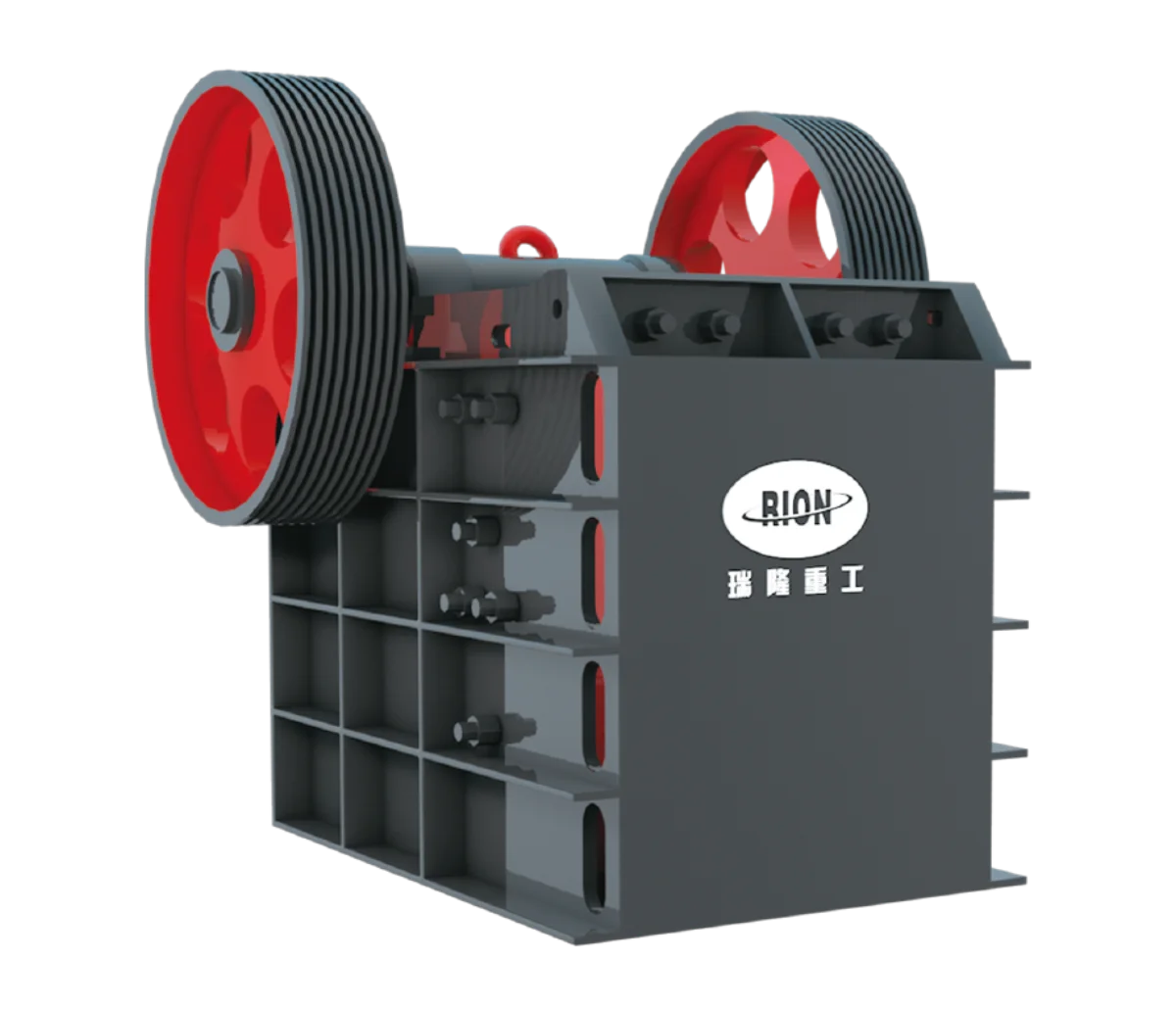
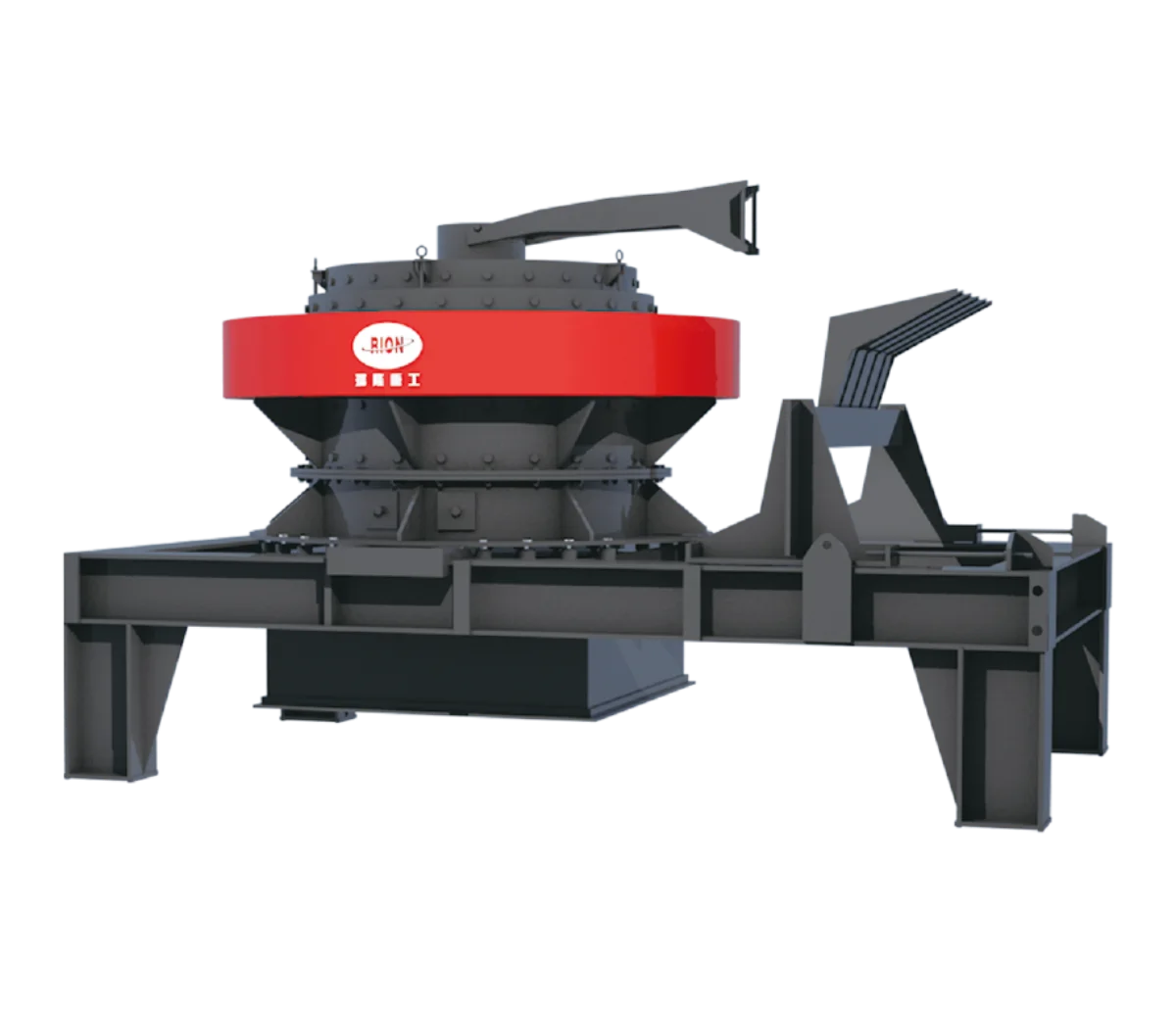
The material is the first cost filter because it influences the crusher route and wear profile. RION MACH separates crusher families by duty instead of presenting them as interchangeable machines. Jaw crushers are commonly used for primary reduction and large hard-rock feed. Cone crushers are applied to hard and abrasive stone in secondary or fine crushing. Impact crushers fit medium-hard materials where impact reduction and product shape are important. Heavy hammer crushers are considered for suitable limestone and medium-to-low-hardness material.
This matters when a buyer requests low price rock crushing equipment. A low-priced crusher that is poorly matched to the rock may create high wear, unstable capacity or the need for another stage. The correct comparison begins with material hardness, abrasiveness, moisture and feed gradation—not the supplier’s advertised price range.
Feed Size Can Change the Cheapest Crushing Route
Maximum feed size influences whether a project can use one crushing stage or needs a primary-plus-secondary arrangement. A buyer who asks only for “rock crusher price” gives suppliers room to price different process assumptions. One quotation may be based on a crusher that accepts the feed directly; another may quietly assume a separate primary stage.
For a meaningful rock crusher capacity selection, the RFQ should state both the normal feed-size distribution and the maximum lump expected in production. It should also identify whether oversize from the quarry face or mine is removed before the crusher.
The commercial relationship is:
Feed size → number of crushing stages → equipment count → auxiliary scope → total project cost.
This is one reason a higher-priced crusher can still produce a lower total system cost if it eliminates unnecessary handling or reduces the number of machines required for the defined duty.
Required Output Size Changes the Circuit and the Cost

A quarry producing a coarse base material has a different circuit from a plant producing multiple controlled aggregate fractions. Final product size affects crusher setting, the number of crushing stages, screen configuration and whether oversize must recirculate.
Buyers looking at aggregate crushing equipment for sale should therefore send the final size fractions with the inquiry. A requirement such as “make aggregate” is too broad. A supplier needs to know the product grading or size splits that drive the screen and crusher selection.
When the final product requires tighter grading, the quotation may include a closed circuit with screening. That extra equipment raises the initial price but may be necessary to produce saleable material. Comparing that offer with a lower-priced open-circuit crusher would not be a fair cost comparison.
Normalize Capacity Before Comparing Rock Crushing Equipment Price
Capacity is one of the most common reasons low-price offers are not comparable. One supplier may quote a smaller machine at a lower price while another sizes equipment around the buyer’s peak or design capacity. If the capacity basis is different, the prices represent different projects.
A useful RFQ should distinguish:
- required normal production rate;
- peak production rate if relevant;
- daily operating hours;
- annual or seasonal production pattern;
- whether quoted capacity is based on feed or finished product.
RION MACH requests material, feed size, required capacity and final output size as core inputs for crusher recommendation. Those same fields should be used when comparing any rock crushing equipment manufacturer, because they force each supplier to solve the same production problem.
Crusher Type Changes Both Purchase Cost and Operating Cost
The cheapest crusher type on paper is not always the cheapest over the production campaign. The buyer should compare the machine’s role and wear exposure against the material.
| Crusher Route | Typical Decision Role | Cost Question to Ask |
|---|---|---|
| Jaw Crusher | Primary reduction and larger feed | Does it reduce the feed enough for the next stage without creating a bottleneck? |
| Cone Crusher | Secondary/fine crushing of hard, abrasive stone | How do liner plan, CSS and recirculating load affect operating cost? |
| Impact Crusher | Medium-hard reduction and aggregate shaping | Are blow-bar and impact-plate wear acceptable for the material and hours? |
| Heavy Hammer Crusher | Suitable limestone and medium-to-low-hardness duties | Can one-stage reduction meet the product target without excessive fines or wear? |
| Mobile Crusher | Projects requiring relocation or on-site flexibility | Does reduced material transport offset the higher mobile-system scope? |
The table is not a universal selection chart. It shows why the lowest quoted machine price cannot be separated from material and process duty.
Machine Price Is Not the Same as Complete Rock Crushing Plant Cost
A complete rock crushing plant cost can include much more than the main crusher. RION MACH’s product structure includes feeding, crushing, screening and conveying equipment, and a complete project may also require electrical control, steel supports, dust or water interfaces, spare parts, installation support and commissioning scope depending on the contract.
When two quotations differ sharply, buyers should check whether both include the same modules. A “crusher only” offer and a “feed-to-stockpile” offer cannot be compared by total price without breaking the scope into comparable line items.
A useful scope check includes:
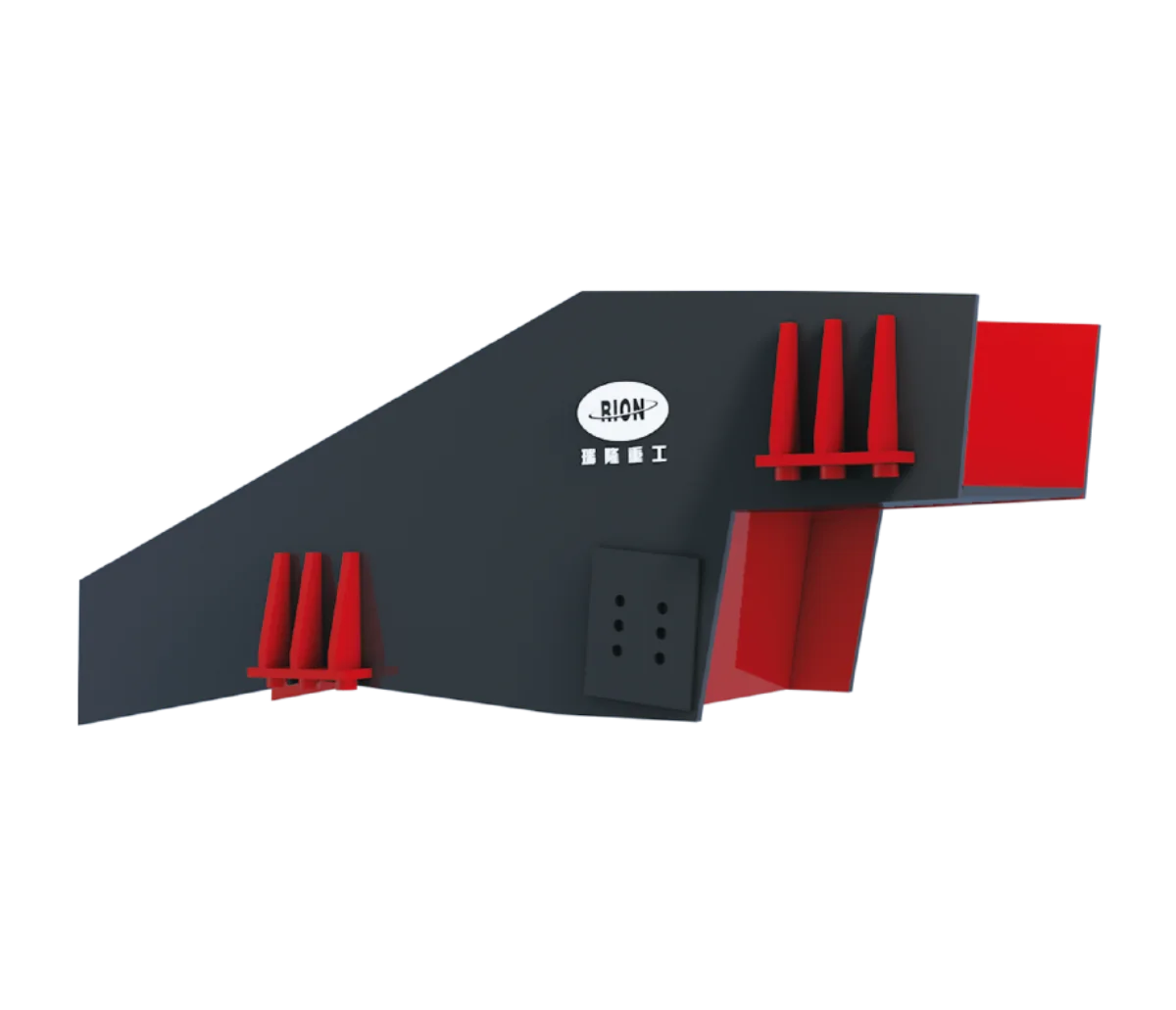
- feeder and hopper scope;
- primary and secondary crusher scope;
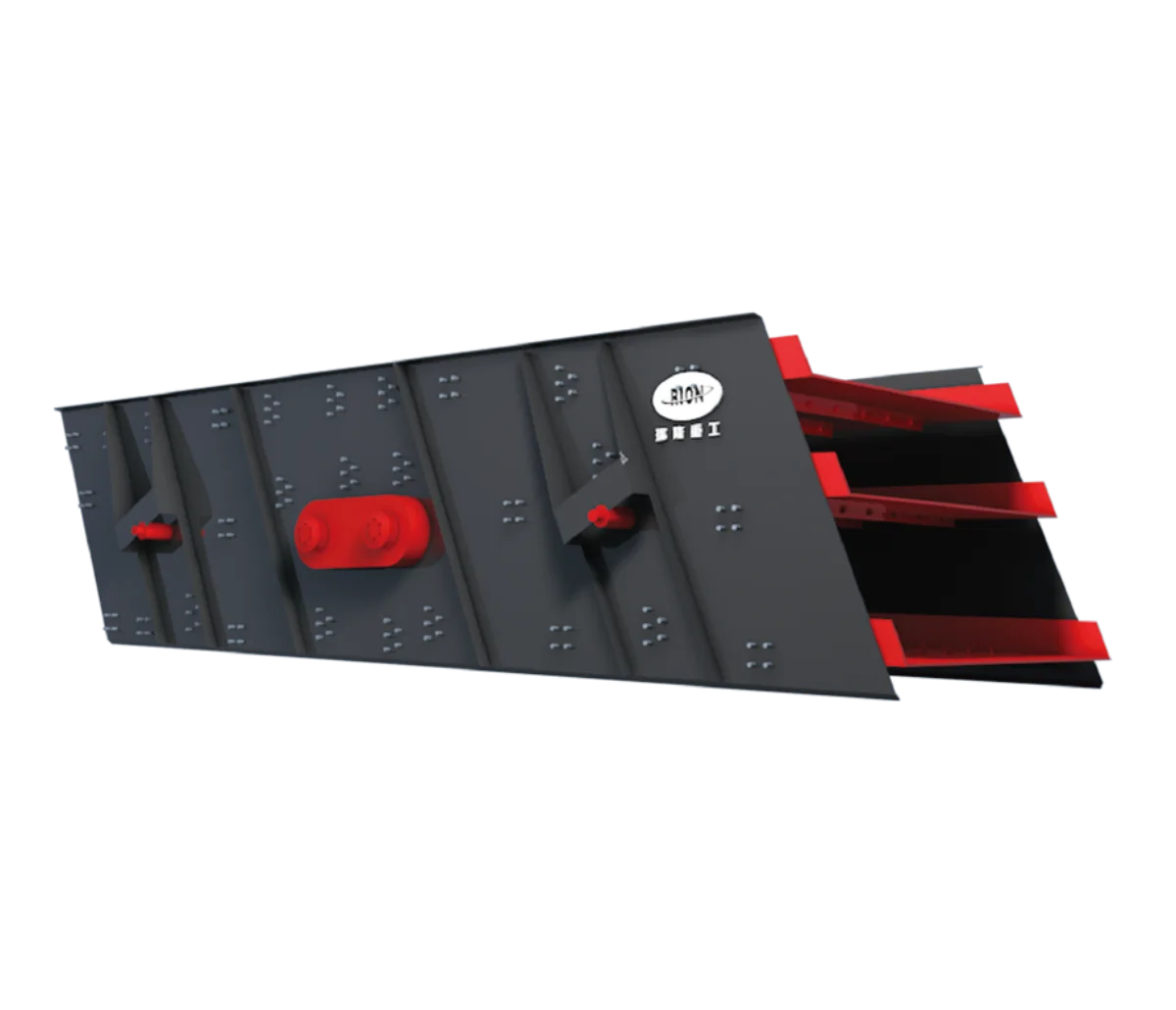
- vibrating screen and return circuit;
- belt conveyors and transfer points;
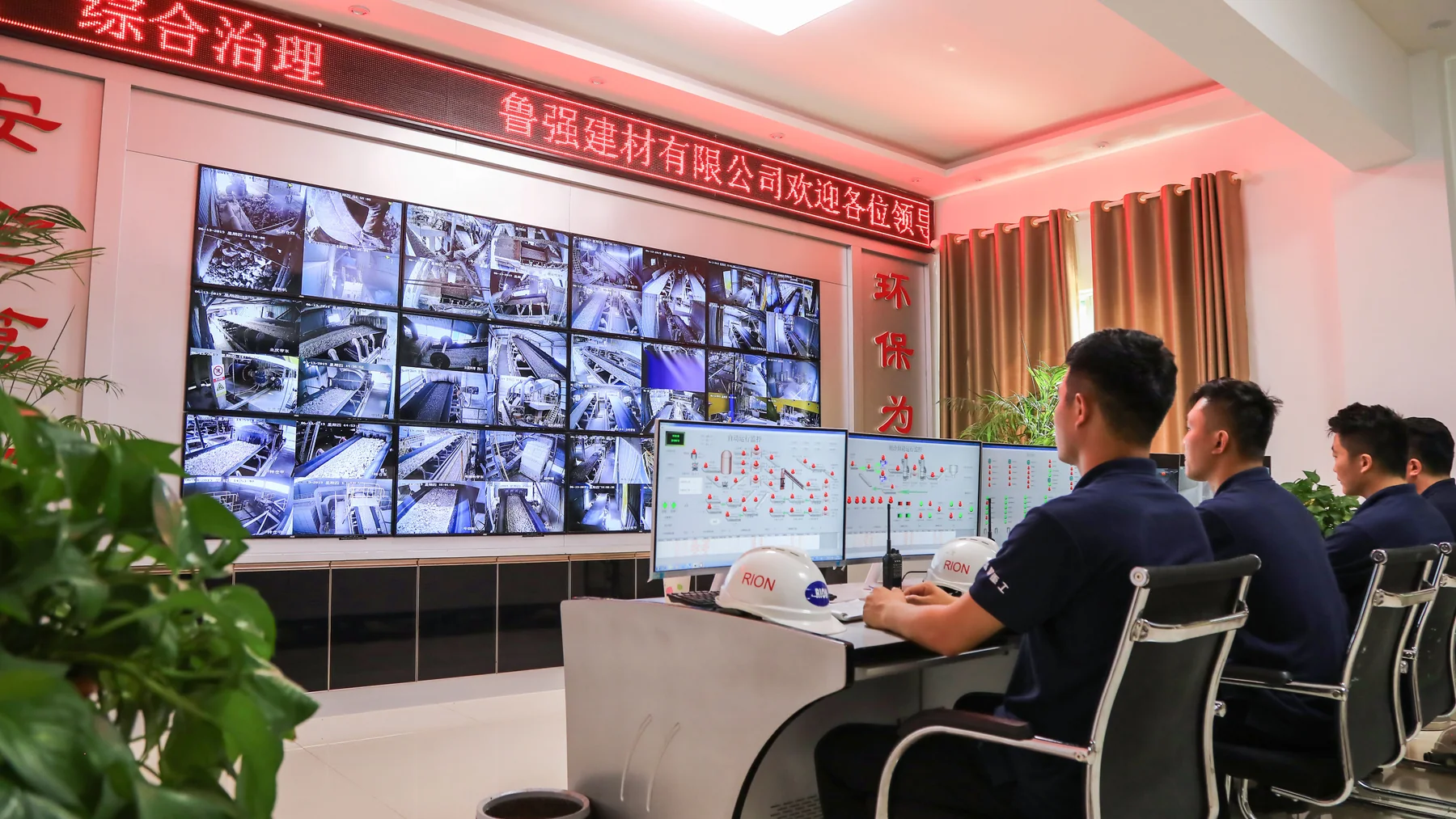
- electrical control scope;
- wear and spare parts supplied with the order;
- transport packaging;
- installation and commissioning responsibility.
Wear Cost Can Turn Cheap Equipment Into Expensive Equipment
Hardness and abrasiveness directly affect the economics of many crusher routes. A low initial price can be offset by frequent liner, jaw plate, blow bar or hammer replacement. The financial effect is not only the price of the wear part; it can include downtime, maintenance labor, lifting requirements and lost production.
For this reason, a buyer comparing a rock crusher equipment supplier should request the proposed wear-part configuration and ask what material assumptions were used to make the recommendation. Avoid accepting unsupported lifetime promises. The better comparison is based on material evidence, operating hours and the maintenance plan supplied with the proposal.
Where wear exposure is important, the quotation should also clarify which initial spares are included and which components are optional. This turns spare-parts discussion into a commercial comparison instead of an after-sales surprise.
Mobile or Stationary Layout Changes the Cost Structure
A mobile rock crushing equipment for sale search often comes from contractors, temporary sites or operations that expect relocation. Mobility can reduce some site-material transport and civil-work requirements, but the machine itself includes a different chassis and integration scope. A stationary route may be more logical for a long-term fixed quarry.
The decision should therefore be based on project pattern:
- number of sites;
- relocation frequency;
- project duration;
- site access and transport constraints;
- available foundations and civil works;
- power or fuel availability;
- required setup time.
RION MACH’s Mobile Crusher can be evaluated when site movement is part of the business case. For fixed hard-rock circuits, buyers may instead compare Jaw Crusher and Cone Crusher stages against the required feed and final grading.
Use a Normalized Quote Table Before Calling Equipment Affordable
| Comparison Variable | Quote A | Quote B | Buyer Check |
|---|---|---|---|
| Rock / material | Supplier input | Supplier input | Same hardness and abrasiveness basis? |
| Maximum feed | Offered basis | Offered basis | Same top size and feed gradation? |
| Final output | Product specification | Product specification | Same finished sizes and grading? |
| Capacity | Quoted capacity basis | Quoted capacity basis | Same normal/peak production target? |
| Crusher stages | Included stages | Included stages | Same process route? |
| Feeder / screen | Included / excluded | Included / excluded | Same auxiliary scope? |
| Conveyors / controls | Included / excluded | Included / excluded | Same line boundary? |
| Wear/spares | Included items | Included items | Same startup spare scope? |
| Installation | Supplier responsibility | Supplier responsibility | Same project boundary? |
| Transport | Quoted basis | Quoted basis | Same delivery term and packaging? |
This table changes the meaning of “affordable.” The buyer is no longer asking which supplier has the lowest headline price; the buyer is asking which offer solves the same crushing duty with the clearest total scope and acceptable operating risk.
What Should an Affordable Rock Crushing Equipment RFQ Include?
A strong RFQ for affordable rock crushing equipment for sale should give every supplier the same technical and commercial baseline. At minimum, include the rock type, hardness or abrasiveness evidence if available, normal and maximum feed size, required product sizes, normal and peak capacity, operating hours, site layout, mobility requirement, power conditions and the required supply boundary.
The supplier should return:
- recommended crusher type and model route;
- assumed material and feed conditions;
- capacity basis;
- included feeder, screen and conveyor scope;
- wear/spare parts included;
- declared exclusions and deviations;
- installation or commissioning responsibility where applicable.
Buyers can review RION MACH’s Crushing Equipment portfolio to compare the available crusher families before preparing the RFQ. When product sizing requires a complete plant rather than one crusher, the process should be discussed as feeding, crushing, screening and conveying scope.
Affordable Means the Right Crushing Route at a Comparable Scope
RION MACH’s role in a budget-sensitive project is not simply to attach a low price to a crusher. The useful engineering-commercial task is to match the crusher route to the rock, feed, final product, capacity and site so the buyer can see what is included and what will drive operating cost later.
For a comparable quotation, send the same project data to the RION MACH project inquiry: material, feed size, required capacity, final output size and site conditions. A quote becomes genuinely “affordable” only when it is based on the same production duty and the same project boundary as the alternatives being compared.