Cone Crusher Mantle and Concave Compatibility: What to Confirm Before Ordering
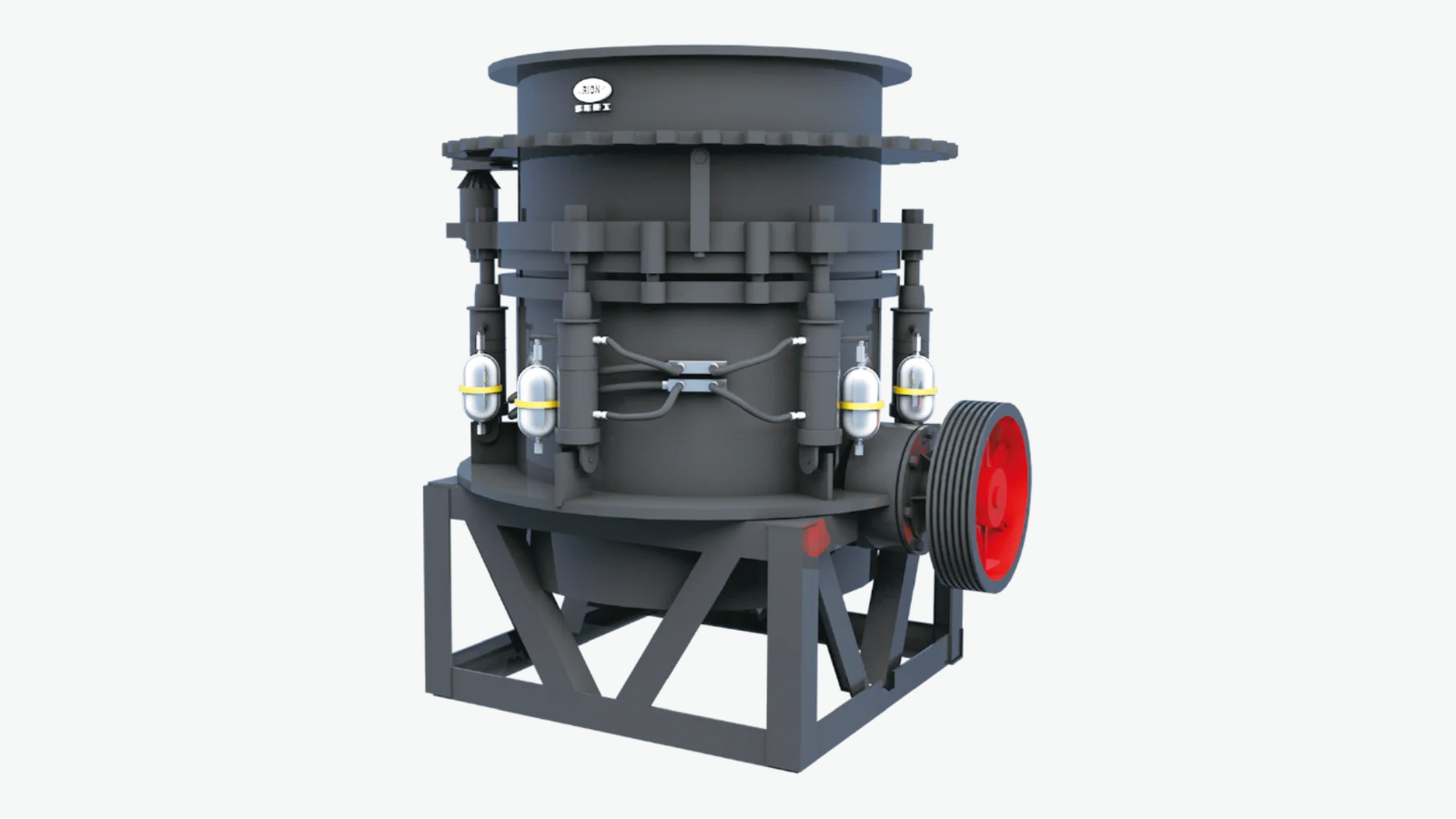
To confirm cone crusher mantle and concave compatibility, identify the machine and its installed liner configuration, then check the replacement parts against the mounting interfaces, chamber profile and operating conditions. The manufacturer, complete model, serial number and part references establish which equipment and components are being discussed. Feed size distribution, closed side setting and the condition of the existing liners help determine whether the same configuration remains suitable.
RION lists mantles and concaves within its cone crusher wear parts range and identifies cavity type, CSS and site operating records as selection information. A useful inquiry brings those details together. Photographs and nominal dimensions can assist identification, but they need supporting records before a replacement specification can be confirmed.
Identify the Crusher and the Existing Liner Set
Model, Serial Number and Part References
Start with the machine nameplate and equipment records. Record the manufacturer, full model designation and serial number, then locate the installed mantle and concave references in the applicable parts list, drawings or previous purchase documents. A general series name may leave several chamber configurations unresolved.
Keep different identifiers separate. A number cast into a component may be a casting reference rather than the complete orderable part number. Record it exactly, photograph its location and compare it with the equipment documentation. Where an old order and the installed component disagree, establish which specification is actually in service before repeating the purchase.
Configuration history also matters. A crusher may have received a different chamber, modified components or a replacement whose specification differs from the original supply. The nameplate identifies the machine; maintenance and configuration records explain what is fitted now.
Mantle and Concave Roles
The mantle covers the moving crushing head, while the opposing concave forms the fixed side of the crushing chamber. Some designs use the term bowl liner for the fixed liner. Use the terminology and part references in the relevant machine documentation when ordering.
Both working surfaces influence the space through which material passes. Identifying only the worn component leaves the opposite profile unknown. Record the two liner references and their installed condition, even when the intended purchase contains only one replacement.
Check Chamber Profiles and Mechanical Fit Together
The Mantle and Concave as a Chamber Combination
Mechanical fit and chamber suitability require separate checks. Mechanical fit concerns how a liner seats, locates and is retained on the machine. Chamber suitability concerns the working shape created by the mantle and concave together, including the feed entrance and the path toward the discharge.
A matching outside dimension does not establish that two liners have the same working contour. Different profiles can change where material enters the crushing zone and where loading occurs. Confirm the proposed mantle and concave references as a combination, including the chamber designation, rather than approving each part from an isolated photograph.
The condition of a liner that will remain installed is relevant too. Pairing a replacement with a substantially worn opposing surface changes the actual chamber shape. Record that wear and have the proposed combination checked against the applicable equipment requirements. This does not create a universal rule to replace both liners at every change; the replacement scope depends on the machine instructions, remaining condition and permitted configuration.
Drawings, Interfaces and Configuration Changes
Where drawings form the ordering basis, identify the drawing number and revision. Confirm the seating surfaces, locating features, retention arrangement and agreed critical dimensions that apply to that design. The quotation should reference the same documents used for the fit review.
List any modification to the head, bowl or associated mounting components. A supplier reviewing an original drawing needs to know whether the actual installation has changed. Photographs help show condition and markings; dimensional acceptance requires an appropriate drawing or other agreed specification. Avoid treating a similar model name as evidence of interchangeability.
Separate dimensions used to identify the part from those used to accept a new casting. A worn liner shows the surface left after service, so its remaining contour cannot establish the original working profile by itself. Refer back to the documented specification when assessing a replacement.
Match the Liner Configuration to Feed and CSS
Feed Distribution and Chamber Duty
Provide the feed size distribution as well as the largest lump size. Two feeds with the same maximum size may contain very different proportions of coarse and fine material, so the maximum alone gives an incomplete picture of chamber duty.
Record the material, available abrasiveness information, feed distribution and any recent change in supply. Include the existing chamber designation and eccentric throw where documented. Chamber geometry, throw and feed conditions interact; a proposed profile should be reviewed against the actual machine configuration. Uneven or segregated feed can also contribute to uneven liner use, so changing the liner specification alone may leave an operating problem unresolved.
For example, if upstream crushing or screening changes the proportion of fine material entering the cone, the previous liner order may describe the hardware correctly while no longer representing the same duty. Compare the earlier and current feed distributions before requesting a profile change. This gives the review a measurable starting point instead of attributing every change in wear to the casting.
CSS and the Required Product Grading

Closed side setting (CSS) is the gap between the opposing liner surfaces at the discharge when they are closest together during the crushing cycle. Follow the machine-specific method for checking that setting. CSS helps describe the working condition, but it does not guarantee the maximum particle size of the finished product. Feed grading, chamber geometry, operating conditions and downstream screening also affect the result.
The published RION cone crusher specifications distinguish the following configurations:
| RION model | Chamber | Maximum feed | Minimum CSS |
|---|---|---|---|
| RL-C 1000 | Coarse | 160 mm | 13 mm |
| RL-F 1000 | Medium | 115 mm | 10 mm |
| RL-S 1000 | Fine | 80 mm | 8 mm |
These catalog rows show different feed and setting limits for the listed configurations. They do not establish liner interchangeability or prescribe a CSS for a particular project. A published minimum is a reference limit, not an instruction to operate at that setting. Confirm the intended liner configuration and operating range using the actual feed and product requirements.
For a replacement inquiry, supply the current CSS, its recent adjustment history and the required product grading. Identify whether the crusher operates in an open circuit or receives screened return material. That context helps distinguish a liner configuration question from a change elsewhere in the process.
Decide Whether to Repeat or Change the Liner Specification
Reordering a Proven Configuration
Repeating a documented specification is a practical starting point when the machine configuration, material and product requirements remain unchanged and the existing liners have performed acceptably. Confirm the current part references and drawing revisions, then check that the equipment condition still supports the same replacement.
Retain the records behind that judgment. Operating hours, processed tonnage where available, product grading and wear observations make a previous purchase useful evidence. A past invoice establishes what was ordered; operating records help establish whether it suited the duty.
| Situation | Evidence to review | Ordering direction |
|---|---|---|
| Same configuration and duty; acceptable previous performance | Installed part references, current drawings and equipment condition | Check a repeat order against the documented specification |
| Feed, product target or machine configuration has changed | Updated feed distribution, CSS, chamber and process requirements | Review the liner configuration before confirming the order |
| Early or uneven wear | Wear locations, operating history, feed conditions and both liner surfaces | Investigate the cause before selecting a different profile or material |
Investigating Early or Uneven Wear
Record where wear develops, how it progresses and what changed during that period. Photograph both liners from identifiable positions and associate the images with operating hours, processed tonnage and CSS records. Include changes in material, feed delivery or product requirements.
A localized wear pattern is a diagnostic clue, not proof of a material defect. Feed distribution, chamber selection, setting and operating practice deserve review alongside the material specification. Comparing successive liner sets is most useful when the duty and record-keeping are consistent. Replacement thresholds and inspection decisions should follow the applicable machine instructions; a universal service-hour or remaining-thickness figure would conceal differences between installations.
Confirm Materials, Drawings and Supply Scope
Material Evidence Beyond a Single Hardness Value
Where austenitic manganese steel is proposed, assess it in the context of the crushing duty. This material can work-harden under sufficient loading: deformation increases hardness at the working surface. The loading and wear conditions therefore matter when evaluating a liner material.
A higher initial hardness or manganese content alone does not establish better performance for every application. Alloy composition, heat treatment and resulting material structure also influence behavior. Ask for the proposed material specification and the inspection information that can actually be supplied. Any material change should have a stated application basis and a way to evaluate the result under comparable conditions.
What the Quotation Includes
Make the supply scope explicit. The offer should identify each component, quantity, part reference and agreed drawing revision. Confirm whether the price covers one liner or a complete pair, and whether applicable fixing components, seals or other associated items are included. Keep agreed material and dimensional requirements tied to the same order.
Compare quotations on that common basis, including packaging, delivery destination and timing. A lower price for a different scope is not a complete comparison. If operating records support a comparison of cost per processed tonne, use consistent tonnage, replacement scope and duty; different operating conditions can make a seemingly precise comparison misleading.
Confirm which material, dimensional and inspection documents are included before ordering. Availability of a document should be established in the quotation rather than assumed from a product category description.
Prepare a Mantle and Concave Inquiry for RION
RION’s spare-parts information asks buyers to relate replacement requirements to equipment model or serial information and actual operating records. Prepare one inquiry covering the machine, both existing liners and the proposed order:
- Equipment: manufacturer, complete model, serial number and any configuration changes.
- Installed liners: mantle and concave references, chamber designation, drawings or previous order documents, and clear marking photographs.
- Duty: material, feed size distribution, current CSS, required grading and circuit arrangement.
- Condition: operating hours, available tonnage records and wear photographs of both liners.
- Purchase scope: single component or pair, quantity, associated items, delivery location and required timing.
A sound mantle and concave order brings equipment identity, chamber compatibility, operating duty and supply documents into agreement. When those conditions are unchanged and documented, a repeat specification may be appropriate. When they have changed, resolve the affected fit, profile or material questions before confirming the replacement. You can send your crusher and liner details to RION to establish the relevant supply scope and identify any information still needed for the inquiry.