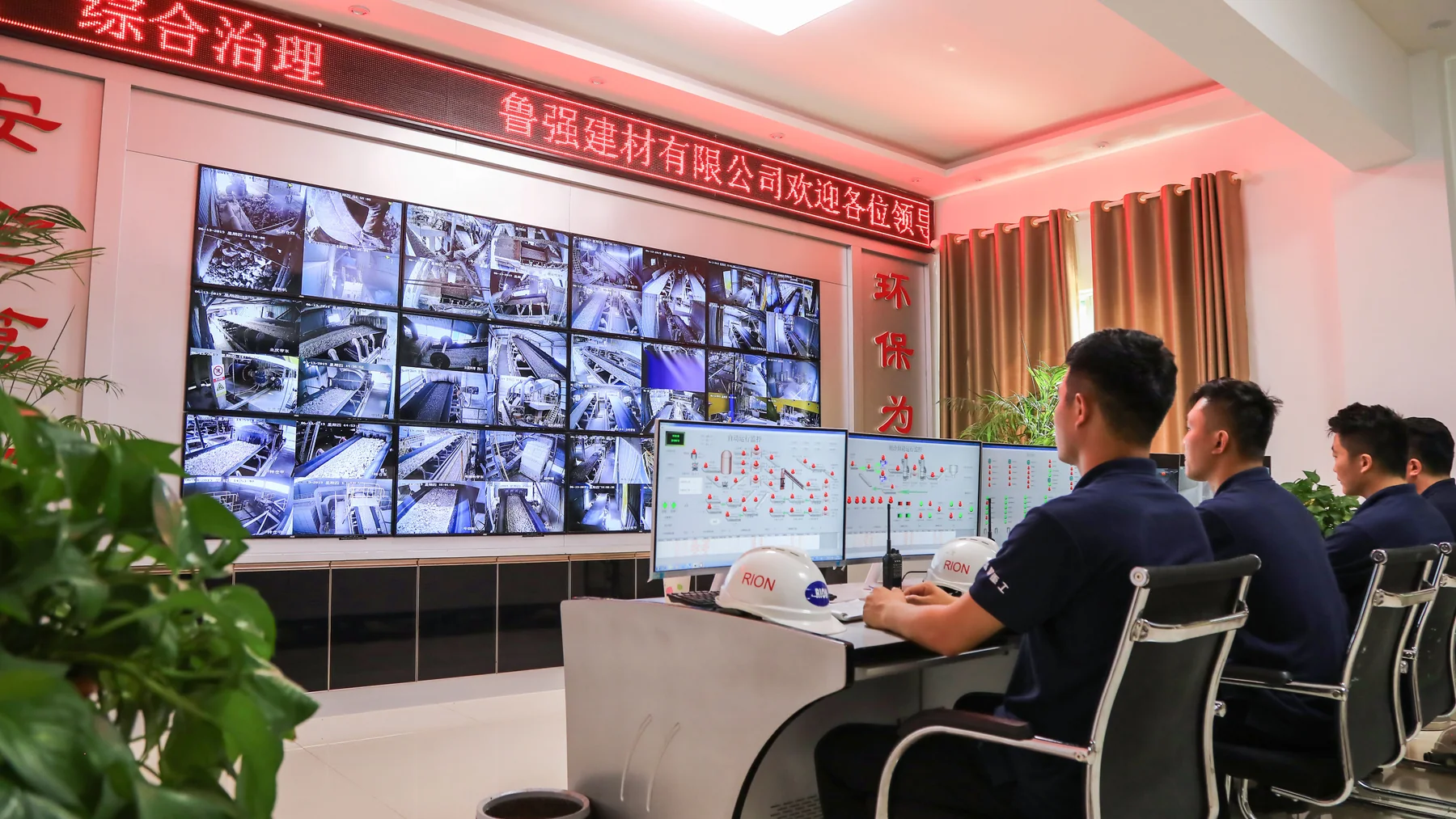
How to Choose Feeder Equipment for a Crushing Plant
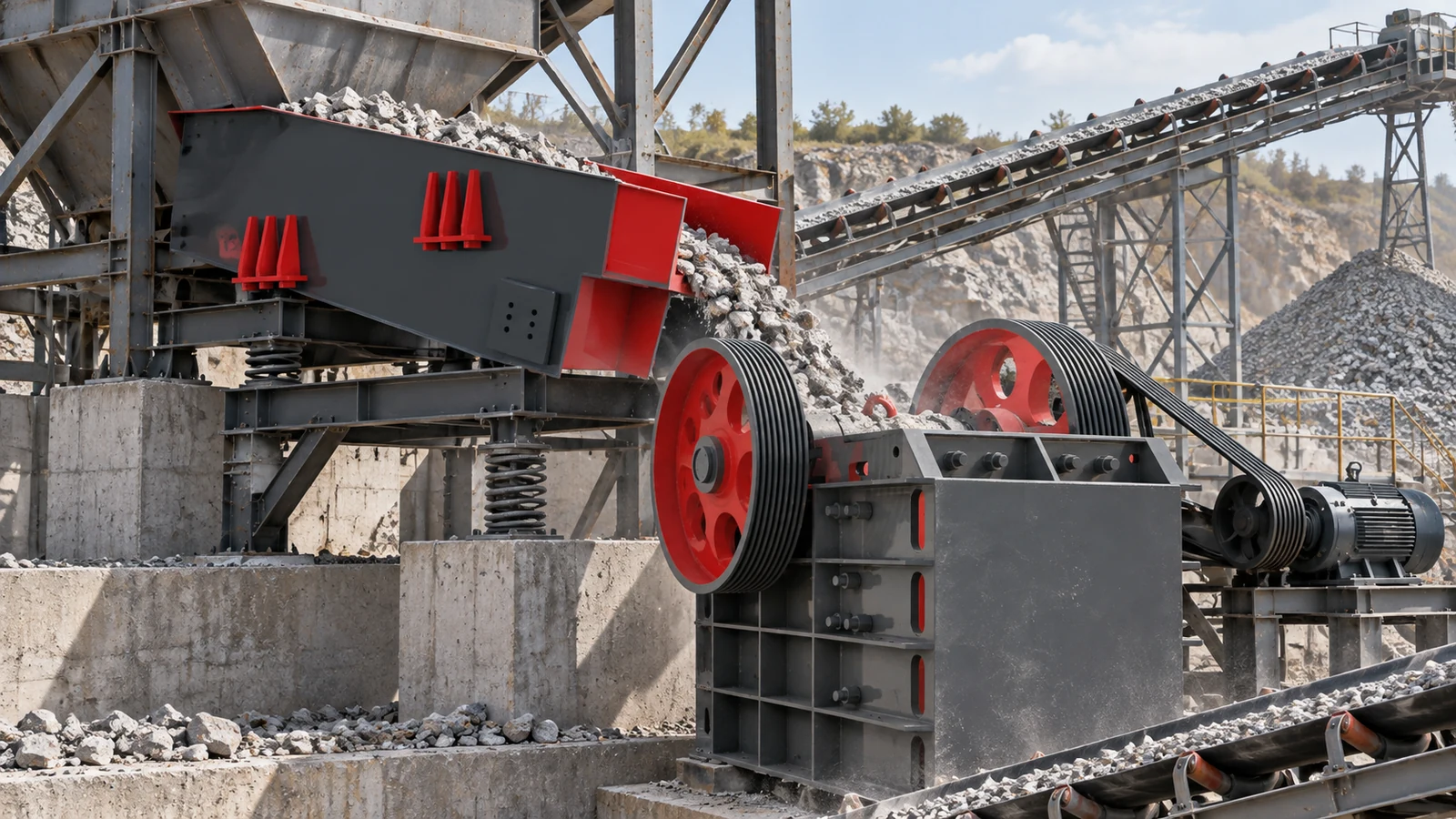
Choosing feeder equipment for a crushing plant starts with actual feed conditions—not the highest catalog capacity. A vibrating feeder should deliver a stable, controllable flow from the hopper to a primary crusher while accommodating maximum lump size, bulk density, moisture, hopper loading, downstream throughput and site constraints. The correct crushing plant feeder matches the crusher’s sustainable demand across its operating range, and it must stop or adjust safely when downstream equipment trips. For quarry operators and B2B procurement teams, an effective selection combines material data, mechanical layout and controls rather than a single TPH figure.
RION supplies vibrating feeder equipment for aggregate production lines and supports equipment matching with the jaw crusher and downstream plant. This guide explains the selection checks buyers should complete before requesting a quotation.
What Does Feeder Equipment Do in a Crushing Plant?
Control material flow between the hopper and crusher
A feeder takes material from a hopper, bin or upstream loading point and releases it toward a crusher or conveyor. Its job is not simply to move rock: it must make the flow sufficiently predictable for the receiving equipment. When the feeder delivers a large batch at once, the downstream crusher may see a momentary overload even though the average tons per hour appears acceptable. Conversely, repeated interruptions leave processing capacity unused and can destabilize downstream operations.
Understand why stable feeding matters
Stable feeding helps plant operators coordinate the upstream stockpile with the crusher’s processing rate. Unstable flow may result from bridging in a hopper, inconsistent loading, poorly matched feeder settings or a transfer point that restricts discharge. It is important to diagnose the source rather than assume that a larger feeder solves every problem. Feeder selection should account for both the material entering the machine and the way it leaves.
How to Select a Vibrating Feeder for a Crushing Plant
Feed size and material characteristics
Record the maximum expected lump size and a representative particle-size distribution, not just an average size. Oversize pieces can affect trough width and impact loading, while fines may behave differently from coarse rock. Bulk density influences the mass moved at a given volumetric flow, and moisture or clay content may increase the risk of material adhesion or poor discharge. Material hardness alone does not describe these flow characteristics.
For example, two quarry feeds with the same target tonnage can require different feeder arrangements if one contains occasional large blocks and the other contains damp fine material. Buyers should share representative data and, where necessary, investigate the behavior of material in the actual hopper configuration.
Feeder capacity and operating conditions for a crushing plant
Specify the normal production target, likely feed fluctuations, operating hours and downstream bottlenecks. A crusher rated for a particular capacity does not necessarily process that amount under every feed grading, setting or material condition. The feeder must be matched to the usable downstream throughput rather than sized by headline equipment ratings alone.
Distinguish between the rate the feeder must sustain and the maximum short-duration flow it may encounter. The control system should allow the line to respond if the crusher stops or becomes overloaded. Oversizing without suitable adjustment can make low-rate control awkward; undersizing may prevent the plant from reaching a realistic production target.
Hopper outlet and discharge behavior
The hopper outlet determines what material can reach the feeder and how its loading changes during operation. Check outlet dimensions, material head, possible bridging or arching, and whether discharge occurs over an appropriate portion of the trough. A wide hopper sitting above a narrow feeder can create flow restrictions; excessive loading can increase mechanical duty. The final arrangement requires the hopper designer and feeder supplier to review the interface together.
Installation space and transfer arrangement
Confirm the supporting structure, available footprint, feed direction, drop height, dust containment and service clearance. There must be enough access to inspect springs or other support elements, drives and wear surfaces. The downstream chute should direct rock into the crusher in an appropriate position without unwanted impact on surrounding equipment.
How to Evaluate Feeder Capacity for a Crushing Plant
Feeder capacity is the mass flow the machine can deliver under stated material and operating conditions; it is not automatically equal to the crusher’s usable capacity. To compare ratings, convert every proposal to the same basis: bulk density, maximum lump size, grading, moisture, operating inclination and intended continuous feed rate. Ask suppliers whether the stated throughput describes a typical continuous operating point, an adjustable upper limit or a short-duration condition.
For example, a hypothetical crushing line targeting 200 tonnes per hour should not select a 200-TPH feeder simply because the two catalog figures match. The project team must confirm whether the hopper outlet can reliably discharge the actual material, the crusher can sustain the target rate, and the chute and conveyors can handle the flow without accumulation. This is an illustrative engineering example, not a published RION model capacity.
A practical feeder-sizing sequence
- Confirm the normal processing target and material bulk density, not just the maximum desired output.
- Define maximum feed lump size, particle-size distribution, clay or moisture variations and expected surge loading.
- Review the hopper opening, material head, feeder trough and transfer arrangement.
- Confirm an adjustable operating range that matches downstream crusher demand in normal and reduced-rate operation.
- Verify start-stop logic and the response to crusher trips, blocked chutes and conveyor stoppages.
How to Match a Vibrating Feeder with a Jaw Crusher
Match practical feed rate to crusher demand
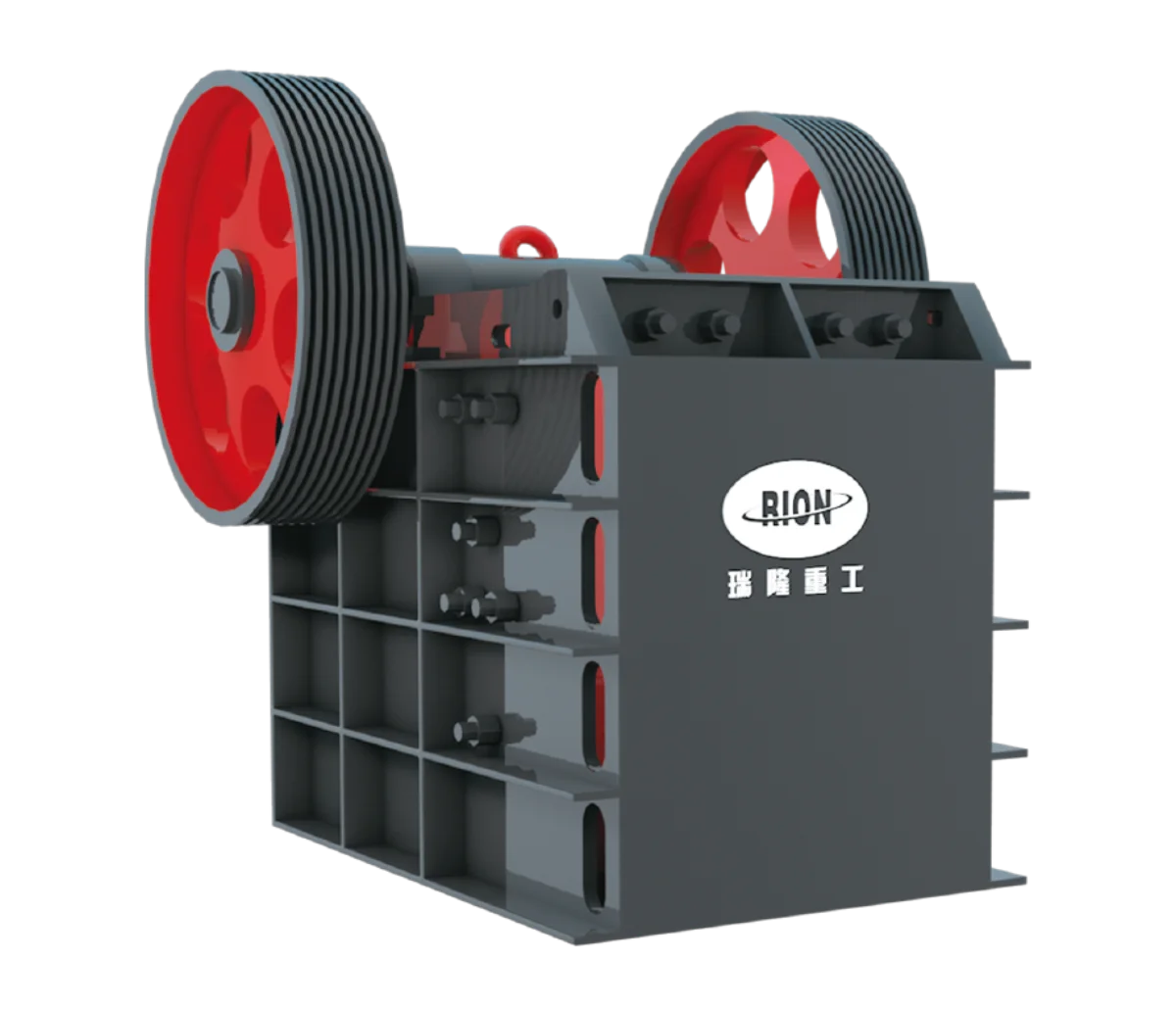
A jaw crusher should receive a controlled stream consistent with its feed opening, chamber settings and actual material conditions. Compare feeder output over its adjustable range with the plant’s intended operating point. The comparison must include upstream loading variation and possible recirculating material where the plant arrangement calls for it.
It is tempting to match equipment solely because both brochures show the same throughput. That is insufficient: capacity tests can assume different material densities, gradings and moisture levels. Request the basis for each rating and verify whether the target rate is sustainable at the site.
Check feed opening and transfer geometry
The largest anticipated rocks must be acceptable to the crusher, and the transfer chute should deliver material without restricting the stream. Check feeder discharge width and height against the crusher inlet and any required grizzly or scalping arrangement. A well-sized feeder cannot compensate for a chute that repeatedly hangs up material.
Coordinate operating sequence and interlocks
Under a typical crushing-line start sequence, operators start downstream equipment and confirm it is operating normally before enabling upstream feeding. RION’s feeder guidance follows that general approach. Actual start, stop and emergency interlock logic must be checked against the installed controls and manufacturer instructions. If the crusher trips, the feeder should not continue supplying uncontrolled material into the stopped machine.
Vibrating Feeders Versus Other Feeder Types
An adjustable vibrating feeder for a jaw crusher can be a good fit for block and granular quarry feed that discharges consistently from the hopper. In applications involving exceptionally heavy impact loads or difficult discharge behavior, the plant designer may also evaluate other feeder technologies, such as apron feeders, rather than increasing vibration alone. These are different engineering approaches, and the choice depends on material properties and hopper duty. This comparison does not imply that every alternative feeder type is sold by RION.
Common Feeder Selection Mistakes and How to Avoid Them
Choosing by rated capacity alone
A catalog rating may not represent site conditions. Ask which bulk density, inclination, particle size and operating settings produced the stated capacity. Use those conditions as a reference, not a guarantee for different material.
Ignoring hopper discharge limitations
If material bridges above the outlet, increasing vibration or choosing a larger drive may not address the real cause. Inspect hopper geometry and the flow properties of the feed. Some sticky or difficult materials require a different approach or additional discharge engineering.
Overlooking wear and inspection access
Impact from large rock and continuous movement can wear contact surfaces. A layout that obstructs access to the drive or trough can make routine inspection time-consuming. Include replacement access and service clearance during layout approval rather than treating them as later changes.
Not coordinating downstream conveyors and controls
Feeder output is only useful when the receiving crusher and subsequent conveyors can carry it away. Review the full flow path, including stoppage detection and material accumulation points. A feeder with excellent individual performance can still be a poor plant choice if the whole line is unbalanced.
Feeder Equipment Selection Checklist for Buyers
| Information to provide | What to check | Why it matters |
|---|---|---|
| Material type and grading | Largest lumps, typical size distribution, fines and moisture | Determines loading, flow and trough suitability |
| Material bulk density | Expected range rather than a single assumed value | Connects volumetric movement to mass throughput |
| Capacity and operating schedule | Normal and peak rate, shifts, expected variation | Sets the required adjustable operating range |
| Hopper geometry | Outlet dimensions, loading method, outlet location | Controls feeder loading and discharge behavior |
| Crusher interface | Inlet size, crusher model and transfer elevation | Prevents mismatch between feeding and receiving equipment |
| Site and controls | Space, power supply, interlocks, maintenance access | Supports installation and practical operation |
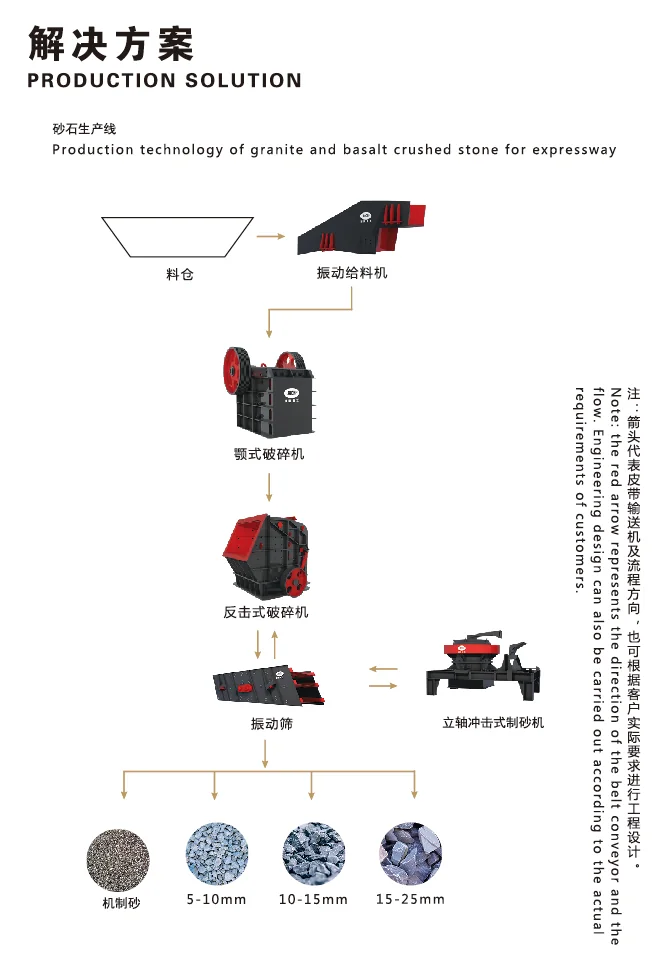
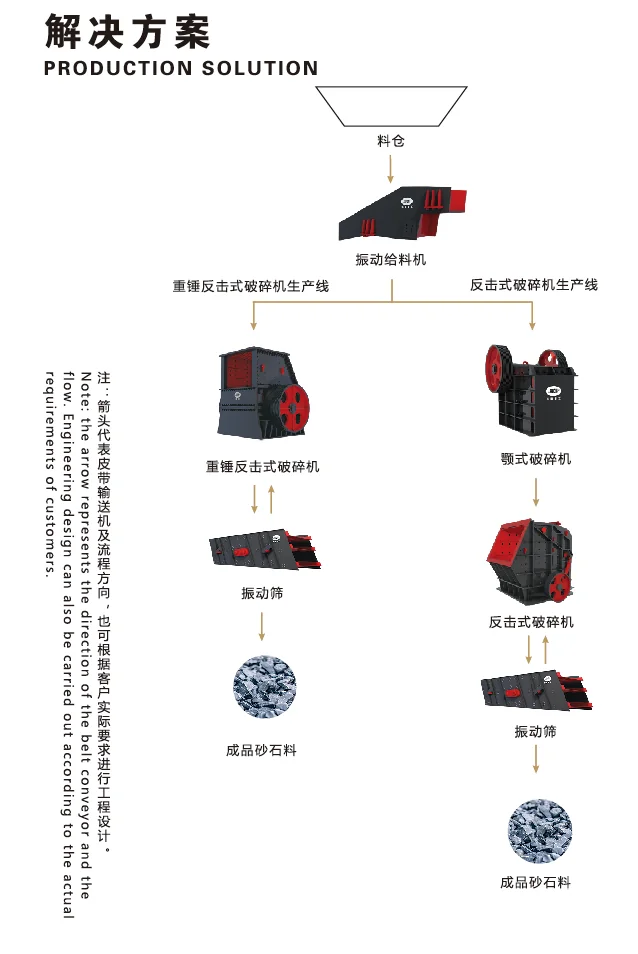
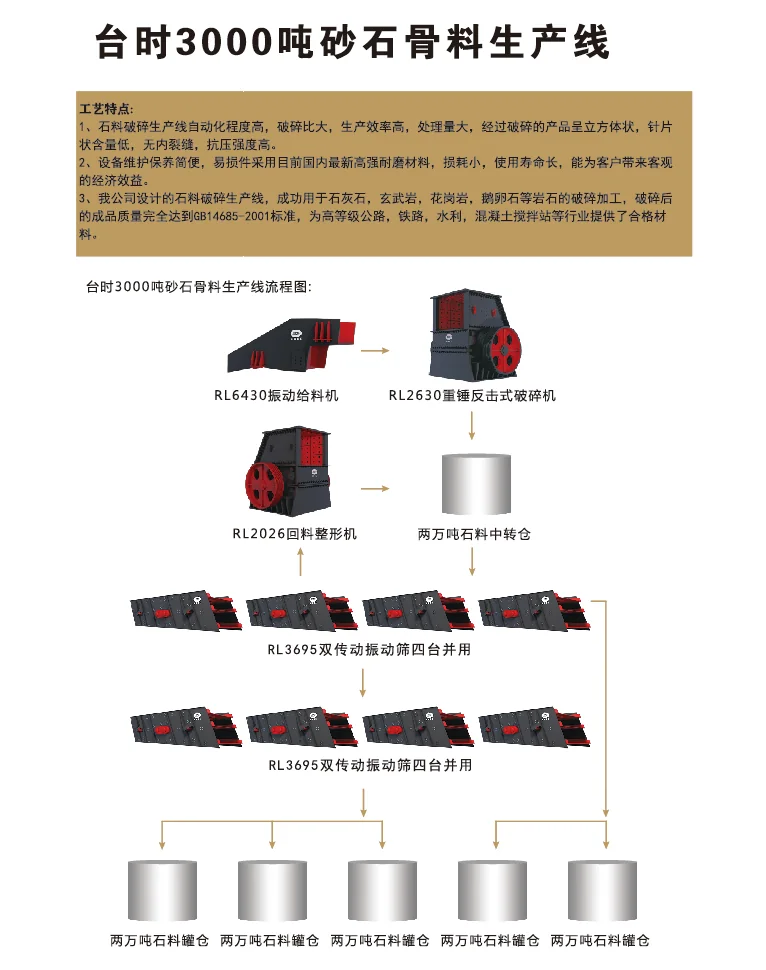
For a new plant, provide a simple material-flow drawing showing hopper, feeder, crusher and conveyors. For an existing plant, include current stoppage symptoms or photos of the interface. RION’s feeding and crushing equipment portfolio can be used to identify the equipment types involved, while individual specifications still require model-level confirmation.
A crushing plant feeder selection review should also identify who owns the hopper-to-feeder interface, who verifies the downstream crusher feed opening and what control signal stops upstream feeding during a trip. Those interface responsibilities often matter as much as the feeder equipment nameplate.
How RION Supports Quarry Feeder Equipment Selection
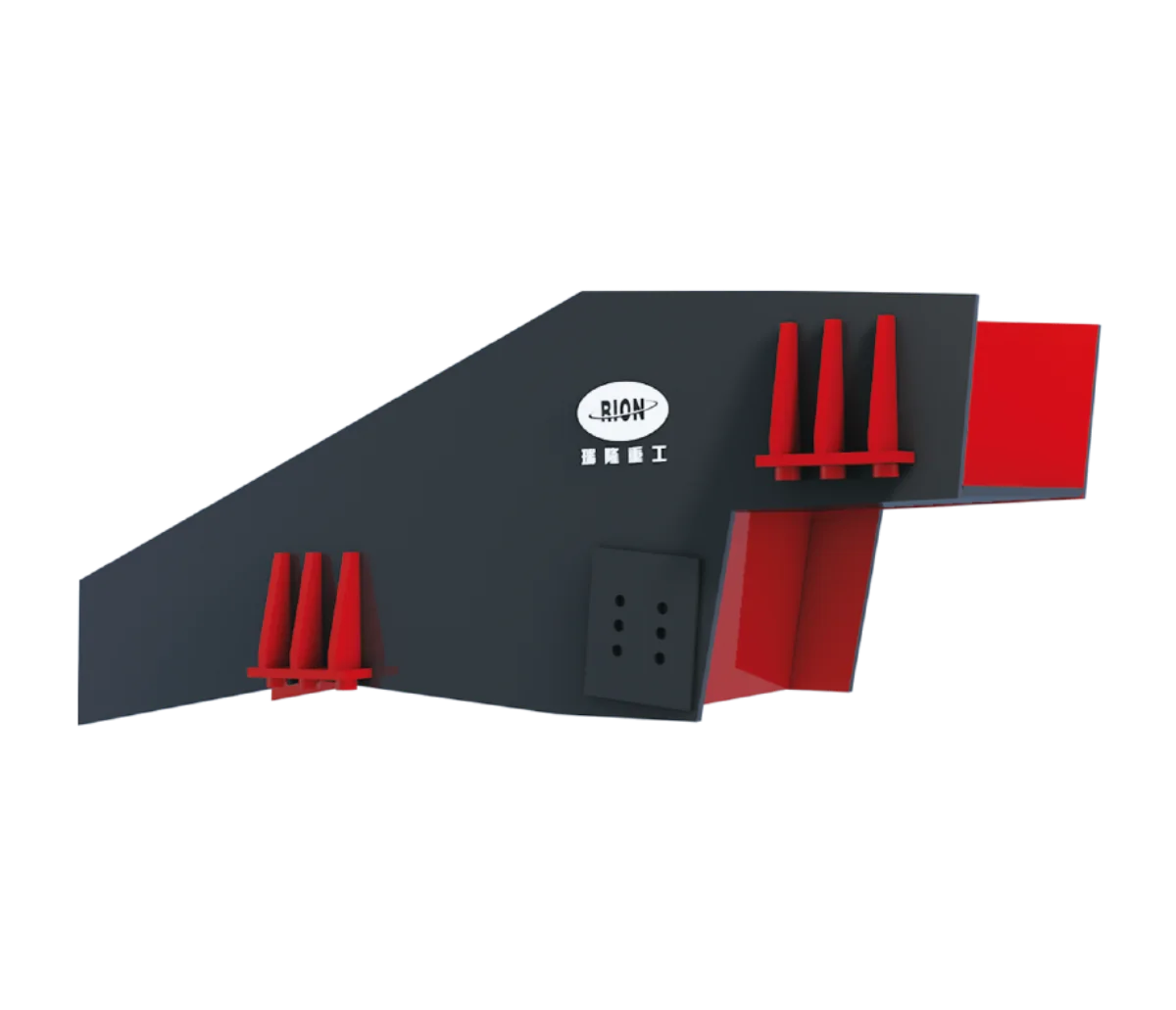
RION presents vibrating feeders as part of complete quarry and aggregate crushing arrangements. Its published product guidance covers controlled material delivery, inclination and excitation adjustments, as well as inspection items such as amplitude and motor conditions. These are useful starting points for a configuration discussion, but settings must be verified for the selected feeder and feed material.
Before ordering, compile the six groups of information above and ask for a proposed arrangement showing the feeder, hopper connection, crusher transfer and electrical coordination. The result should be evaluated for the real feed material and the expected operating conditions, not treated as a universal model recommendation.
Comparing Feeder Equipment for Different Feed Conditions
The best feeder equipment choice depends on the duty, not simply whether a machine is described as heavy-duty. Use the same input data when comparing quotations, and separate the ability to handle large rock impacts from the ability to discharge difficult fines consistently.
| Feed condition | Selection priority | Required confirmation |
|---|---|---|
| Large, intermittent quarry rock from a hopper | Feed opening, impact resistance and controlled release | Maximum lump size, hopper load and trough arrangement |
| Variable feed rate to a primary jaw crusher | Adjustable stable throughput and downstream interlocks | Usable output range under the specified material conditions |
| Moist or clay-bearing material | Reliable discharge and manageable buildup | Site material behavior; possible flow tests or redesign |
| Constrained retrofit installation | Transfer geometry and maintenance access | Actual drawings, elevations and support loads |
For primary crusher feeding equipment, an adjustable vibrating feeder may be suitable where the material flows predictably and the mechanical duty matches the hopper load. If wet fines bridge at the hopper outlet, however, installing a larger vibrating feeder is not proof that the underlying flow problem will disappear. RION’s published vibrating feeder information is a product reference; the final arrangement needs a project-specific review.
What Should Buyers Ask a Feeder Equipment Manufacturer?
Before requesting a feeder quotation, ask how the proposed operating range was established, what feed grading and bulk density were assumed, and whether the hopper outlet and jaw crusher inlet were reviewed together. A suitable feeder equipment manufacturer should be able to discuss the machine’s role in the complete flow path rather than treating the feeder as an isolated product. RION’s equipment portfolio provides context for the crushing, feeding and conveying equipment involved; project-specific compatibility must still be checked.
Frequently Asked Questions
What is the difference between feeder capacity and crusher capacity?
Feeder capacity describes how much material the feeder can deliver under defined conditions; crusher capacity describes the amount a crusher can process under its own defined conditions. Matching the two requires a common material basis and an assessment of upstream fluctuations and downstream limits.
Can a vibrating feeder handle wet or sticky material?
Some wet materials can be handled, but moisture alone does not determine suitability. Clay content, fines, adhesion and hopper geometry may make flow difficult. Confirm the actual material behavior and the proposed feeder configuration before selection.
What is needed to request a feeder equipment quotation?
Provide material type, maximum feed size, bulk density if available, capacity target, hopper and crusher interface information, site power and operating hours. Sketches or photographs of an existing installation help clarify the scope.
Is a higher-capacity feeder always better?
No. Oversizing can make low-flow control more difficult and will not fix poor hopper discharge or a restricted transfer chute. Select the feeder around the actual operating range, not just the maximum rating.
Final Selection Considerations
The right feeder equipment delivers controllable material flow that fits the hopper, crusher and overall plant—not merely the highest nameplate capacity. Verify material properties, interface geometry, operating range and maintenance access before confirming a model. To discuss a quarry installation, send RION your feed data and plant requirements for review.