

Sand Washing Equipment: How to Balance Clay Removal, Fine Sand Recovery and Water Use
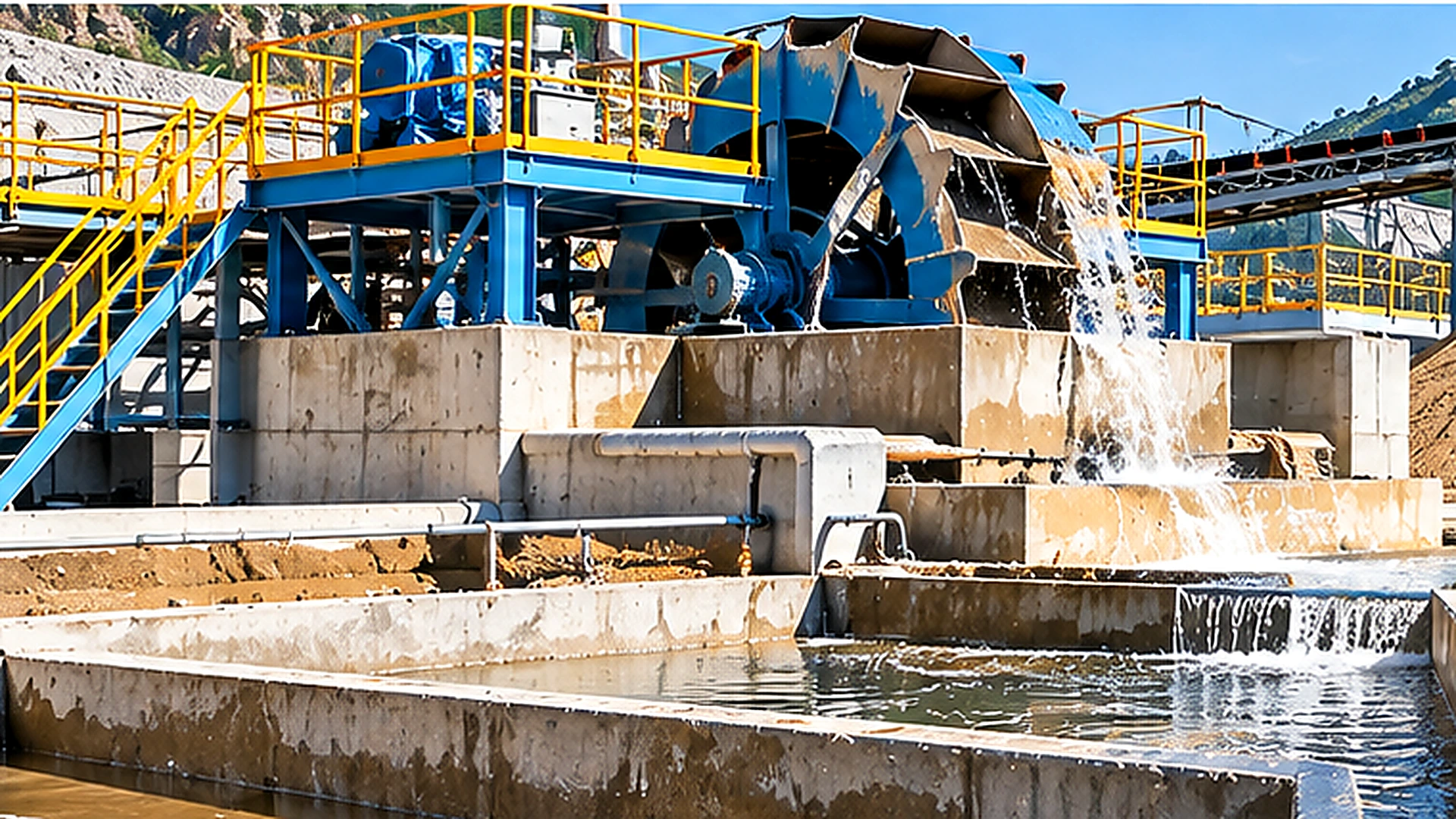
Effective sand washing is not simply a matter of removing as much fine material as possible. A washing circuit must separate unwanted clay, silt and surface contamination while retaining the sand particles required in the finished product. At the same time, it must manage water consumption, slurry discharge and product moisture.
These requirements can conflict. Increasing water flow or washing intensity may improve the removal of certain contaminants, but it can also carry valuable fine sand into the overflow. Retaining more fine material may improve product yield while making it harder to meet a particular cleanliness or grading requirement.
For aggregate producers evaluating sand washing equipment, the most useful approach is to examine three connected results: how effectively unwanted material is removed, how much saleable sand is recovered and how much water the complete process requires. The correct balance depends on feed gradation, clay characteristics, finished-sand specifications, equipment configuration and the available water-treatment system.
What Must a Sand Washing Process Actually Remove?
Clay, Silt and Surface Contamination
Natural sand and manufactured sand can contain unwanted fine material, but the type of contamination matters. Clay may occur as loose particles or as coatings and lumps attached to larger grains. Silt and fine mineral particles may be suspended in process water during washing. The amount of mechanical agitation needed to release contamination depends partly on how strongly it adheres to the sand.
A simple washing and hydraulic classification stage may remove readily dispersed fine contaminants. More strongly bound clay coatings or clay lumps may require additional attrition or scrubbing before effective separation. This distinction is important because hydraulic separation cannot remove contaminants that have not first been sufficiently liberated from the larger particles.
For example, a piece of clay-rich material that remains as a relatively large lump may behave differently from individual dispersed clay particles in wash water. If the washing process fails to release the contamination, increasing overflow water alone may not correct the underlying problem. The first step is therefore to establish what must be removed and whether the contaminants can be separated under the proposed washing conditions.
Unwanted Fines Versus Saleable Fine Sand
Not all fine material is waste. A sand product may require a controlled proportion of smaller mineral particles to meet its intended grading. Removing too much of that fraction can change the particle-size distribution and reduce the amount of saleable product.
This means that a washing plant should not be evaluated solely by the mass of material discharged with the slurry. The overflow may contain unwanted clay and silt, but it may also contain fine sand particles that belong in the intended finished product.
The distinction is especially important for manufactured sand, where crushing and shaping processes can generate substantial quantities of fine mineral particles. Whether those particles should remain in the product depends on the intended application and applicable acceptance requirements. A producer supplying concrete sand, mortar sand or another graded aggregate product may face different limits on fine content and grading.
Consequently, a useful washability investigation should include both particle-size analysis and an assessment of the nature of the fine material.
Feed Gradation and Product Quality Requirements
Feed gradation determines how much material is available in each particle-size range before washing begins. If a feed already contains too little material in a required fine-sand fraction, the washing circuit cannot manufacture those missing particles. The upstream crushing and classification stages must be reviewed.
Conversely, when the feed contains excessive undesirable fines, the washing system must remove enough of that fraction without losing excessive quantities of acceptable sand.
A meaningful equipment assessment should therefore compare the dry particle-size distribution of the incoming sand, the required finished-product grading, the amount and characteristics of unwanted clay or silt, and the expected distribution of solids between washed product and overflow. The required separation boundary should be defined before equipment settings or additional recovery stages are selected.
Why Does Fine Sand Leave with Washing Overflow?
Particle Settling and Hydraulic Separation
Many sand washing and classification processes use differences in particle movement through water. Under simplified settling conditions, larger or denser particles generally settle more readily than smaller particles of similar shape and density. However, actual separation is affected by particle shape, concentration, turbulence and the hydraulic conditions inside the equipment.
Fine particles may remain suspended long enough to travel toward an overflow outlet. The separation is not necessarily sharp. A hydraulic classifier may allow a portion of the particles near its effective separation boundary to report to either stream.
This is why a washing circuit can lose valuable fine sand even when the equipment is operating mechanically as intended. The outcome depends on the operating conditions and the particle-size distribution of the feed, not merely on whether the washing equipment is functioning.
How Water Flow Carries Fine Particles
Water flow performs several important functions during washing. It can help disperse fine material, move unwanted solids toward a discharge and maintain the hydraulic conditions needed for separation. But changing the flow also changes particle transport.
When water velocity and turbulence increase in a particular separation zone, particles that would otherwise settle or remain with the product may be carried toward the overflow. This does not mean every increase in water flow automatically increases sand loss. The result depends on the equipment geometry, feed concentration, hydraulic loading and separation mechanism.
It does mean that water flow should not be adjusted without considering product recovery. If the overflow becomes visibly heavier with solids after a process adjustment, a representative sample should be taken to determine what those solids actually contain. Visual appearance alone cannot establish whether the circuit is losing saleable sand or removing predominantly unwanted clay and silt.
Washing Intensity Versus Product Recovery
A washing system has to perform two related but distinct tasks: release unwanted contamination and separate it from the useful product. More agitation may improve contaminant liberation in some conditions. More hydraulic flow may improve the transport of liberated fines toward the waste stream. Neither adjustment guarantees a better overall product yield.
A useful performance assessment measures both the reduction of unwanted contamination and the recovery of material that meets the intended product requirements. If cleaning improves but the product loses too much of its required fine fraction, the process may need a different classification setting, recovery stage or upstream preparation method.
The objective is not maximum fines removal. It is an acceptable finished product with a technically and economically reasonable recovery rate.
When Is Additional Fine Sand Recovery Equipment Justified?
Measuring Solids Lost in Overflow
Before adding a recovery system, the operator should establish whether the existing overflow contains enough recoverable product to justify further processing. That requires more than observing cloudy water. A representative overflow sample should be collected, and the solids concentration and particle-size distribution should be measured.
The dry solids flow leaving in the overflow can then be estimated from the slurry flow and solids concentration, using measurements on a consistent mass basis. The next question is what proportion of those solids falls within the required finished-sand specification.
If most overflow solids consist of undesirable clay and silt, recovering them may degrade product quality. If a meaningful fraction consists of acceptable sand grains, additional separation may be worth evaluating.
For reliable results, sampling should cover representative operating conditions rather than a single moment when the plant is unusually clean, overloaded or underfed.
Hydrocyclone-Based Recovery Options
A hydrocyclone can be used in some washing circuits to classify slurry and recover part of the sand fraction that would otherwise leave with the wash-water overflow. In a typical arrangement, slurry is delivered to the cyclone under pressure. The resulting internal flow separates particles according to their behaviour under the equipment’s hydraulic conditions.
The underflow is generally enriched in coarser or more readily separated solids, while the overflow carries a greater proportion of finer material and water. However, a cyclone does not provide a perfectly sharp particle-size cut.
Its performance depends on factors including cyclone geometry, feed pressure, solids concentration, particle properties and the selected operating conditions. The recovered solids may require additional dewatering before being incorporated into the finished sand.
A recovery circuit may therefore include a sump, pump, hydrocyclone and an appropriate dewatering arrangement. These are possible industry process configurations, not a statement that every RION sand washer includes hydrocyclone recovery equipment.
Matching Recovery Systems to Slurry Conditions
A recovery system should be selected around actual slurry conditions. Excessive variation in feed concentration can change separation behaviour. Inconsistent pump operation or pressure may also make recovery results less predictable.
The particle-size distribution of the target recovered fraction is especially important. Recovering material simply because it is present in the overflow may be counterproductive if that material does not belong in the finished product.
Equipment selection should consider the expected recoverable mass, separation accuracy, downstream dewatering needs and the influence of recovered material on final grading. Additional recovery equipment also introduces capital cost, energy consumption, maintenance and process complexity.
It is justified when measured product recovery and operating benefits support those additional requirements—not merely because some solids are visible in the wastewater.
How Should Water Consumption and Slurry Handling Be Evaluated?
Fresh Water, Recycled Water and Process Losses
A washing plant may circulate a substantial volume of water without consuming that entire volume as fresh make-up water. This distinction is essential when evaluating water demand. The gross water flow through washing equipment includes both fresh and recirculated water where a recovery loop is installed.
Actual make-up water is required to replace water leaving the system with wet product, discharged slurry, evaporation, leakage and other losses, after accounting for any external water entering the process.
For a simplified steady-state water balance with no other water inputs: Fresh make-up water = Water leaving with product + Water leaving with tailings + Other unrecovered water losses. This assumes the circulating inventory is not increasing or decreasing over the measurement period.
During startup, shutdown or changes in pond storage, the change in stored water must also be included. A plant using a high internal circulation rate may therefore have a relatively low fresh-water requirement if a large proportion of its process water is successfully recovered.
Conversely, poor settling performance or excessive water leaving with waste slurry can increase make-up demand. Water consumption should always be reported with a clear system boundary and operating basis.
Slurry Solids and Settling System Loads
The washing equipment is only one part of a wet aggregate processing circuit. The overflow must be managed, particularly where it contains substantial fine suspended solids. If slurry is discharged to a settling pond, the accumulation of solids gradually reduces available storage capacity. Periodic solids removal may be necessary to maintain effective operation.
The treatment arrangement must consider both hydraulic flow and the mass of solids entering the system. A pond that can accommodate the required water volume may still become difficult to operate if its sediment loading is excessive.
Depending on project conditions, possible process elements include settling ponds, clarification equipment, thickening systems and mechanical dewatering. The suitability of each option depends on solids characteristics, available land, discharge requirements, operating costs and the intended method of water reuse.
For buyers assessing sand washing equipment, the required water and slurry management facilities should be reviewed as part of the complete washing circuit, not treated as unrelated accessories.
How Recycled Water Quality Affects Washing
Recycled process water is valuable because it can reduce fresh-water demand, but water quality must remain suitable for the intended separation process. Water containing a high concentration of suspended clay and silt can alter the hydraulic conditions within the washing circuit and may increase the risk of fine material being carried into the finished product.
The effects depend on the suspended solids concentration, mineral composition, water chemistry and equipment configuration. The treatment system should therefore be capable of maintaining water quality within the range required for reliable washing.
An operator facing inconsistent sand quality should examine not only the washing equipment settings but also changes in recycled water solids content. Water recovery and product quality are connected engineering considerations.
How Does Dewatering Affect Finished Sand Handling?
Residual Moisture After Washing
Washed sand generally leaves a wet processing stage with water retained between and around its particles. The amount remaining depends on the material grading, particle shape, the dewatering mechanism and the time available for drainage.
Fine sand typically presents greater dewatering challenges than coarser material because smaller pores and capillary forces can retain more water. A washing machine may remove unwanted contaminants effectively without producing sand at the moisture content required for immediate conveying, stockpiling or further handling.
Cleaning performance and dewatering performance should therefore be measured separately.
Stockpiling and Conveying Wet Sand
Excessive moisture can influence the handling characteristics of finished sand. Wet material may adhere to equipment surfaces, accumulate at transfer points or drain water into the stockpile area. Changes in moisture content can also affect bulk density and the interpretation of production tonnage.
For this reason, a wet-tonnage reading should not automatically be treated as the same quantity of dry saleable sand. If production yield is being evaluated, measurements should be converted to a consistent dry-solids basis.
Stockpile drainage, runoff management and conveyor design should also be considered where product moisture is expected to vary.
When Additional Dewatering Is Needed
A separate dewatering stage may be justified when the residual moisture from the washing equipment exceeds the requirements of subsequent handling or product delivery. Dewatering screens and other suitable equipment can be considered depending on the particle-size distribution and process arrangement.
The decision should be supported by actual product moisture measurements and a defined handling target. Additional dewatering does not automatically improve the removal of clay or the recovery of fine sand. It addresses a different process objective.
A correctly designed washing circuit may therefore require separate equipment stages for cleaning, hydraulic classification, fine-particle recovery and moisture reduction. Combining all of these into a single unspecified performance figure makes equipment comparison less reliable.
How Can Buyers Evaluate Actual Washing Performance?
Sampling Feed, Washed Sand and Overflow
The most useful washing performance assessment starts with measurements at the major material entry and exit points. Representative samples should be taken from incoming feed, washed product and the overflow or waste stream. The samples should be associated with measured or reasonably established flow rates over the same operating interval.
For each stream, relevant measurements may include particle-size distribution, dry solids content, moisture and the quantity of unwanted contamination. Sampling methods must also account for segregation and process variability.
A sample taken from the surface of a stockpile or an isolated location in a slurry channel may not represent the entire material stream. Where results are used for equipment acceptance or process guarantees, the sampling plan and test methods should be agreed upon before evaluation begins.
Establishing a Sand and Water Balance
Consider a simplified example in which the incoming feed contains 100 tonnes per hour of dry solids. Suppose measurements show that 88 tonnes per hour report to the washed product and 12 tonnes per hour leave through the waste or overflow stream. The total dry-solids balance is then 100 = 88 + 12.
The overall dry-solids recovery into the product stream is 88 / 100 × 100 = 88%. But this figure does not prove that 88% of the valuable sand has been recovered. The 12 tonnes per hour leaving the circuit may contain both unwanted fines and particles that meet the finished-product requirements.
To estimate recovery of saleable sand, the operator must determine the mass of the target particle fraction entering and leaving each stream. For example, suppose particle-size analysis identifies 90 tonnes per hour of target sand in the feed and 85 tonnes per hour of that target fraction in the finished product. The recovery of the target fraction would then be 85 / 90 × 100 ≈ 94.4%.
All values above are illustrative and are not RION equipment test results. They demonstrate why total solids recovery and useful sand recovery are different measurements.
A separate water balance should account for water entering with wet feed, fresh make-up supply, recycled flow, product moisture and wastewater discharge. Using comparable dry-solids and water bases helps distinguish genuine product loss from differences caused by changing moisture content.
Comparing Cleaning, Recovery and Dewatering Results
A practical acceptance assessment should evaluate each main process objective separately.
| Performance measure | What it establishes | Important limitation |
|---|---|---|
| Finished-sand gradation | Whether the required particle-size distribution is achieved | Does not independently establish cleanliness |
| Unwanted fines or clay content | Whether the targeted contaminants have been sufficiently reduced | Requires an appropriate agreed testing method |
| Target sand recovery | How much valuable sand is retained | Requires feed and product fraction measurements |
| Fresh-water consumption | Water required from external supply | Must distinguish make-up water from gross circulation |
| Product moisture | Suitability for handling and delivery | Does not demonstrate washing effectiveness |
| Overflow solids loading | Mass of solids entering waste or recovery treatment | Does not by itself distinguish waste from valuable sand |
No single measurement captures the whole process. A washing circuit that produces extremely clean sand but loses excessive valuable fines may be commercially unattractive. A circuit with high solids recovery may also be unsuitable if it retains unacceptable clay or produces the wrong grading.
The best configuration meets the specified product quality while maintaining a reasonable balance of recovery, water demand and operating requirements.
What Data Should Be Provided for a Sand Washing Equipment Proposal?
Feed Gradation, Clay Content and Product Specification
Before selecting equipment, buyers should establish the characteristics of the material that will actually enter the washing circuit. Relevant information includes the feed particle-size distribution, the amount of material below the intended separation range, clay content, maximum particle size and expected fluctuations in feed quality.
Where clay is present, the buyer should clarify whether it occurs mainly as dispersed fines, coatings or lumps. The required finished-product grading and cleanliness criteria should be provided separately from the incoming feed data.
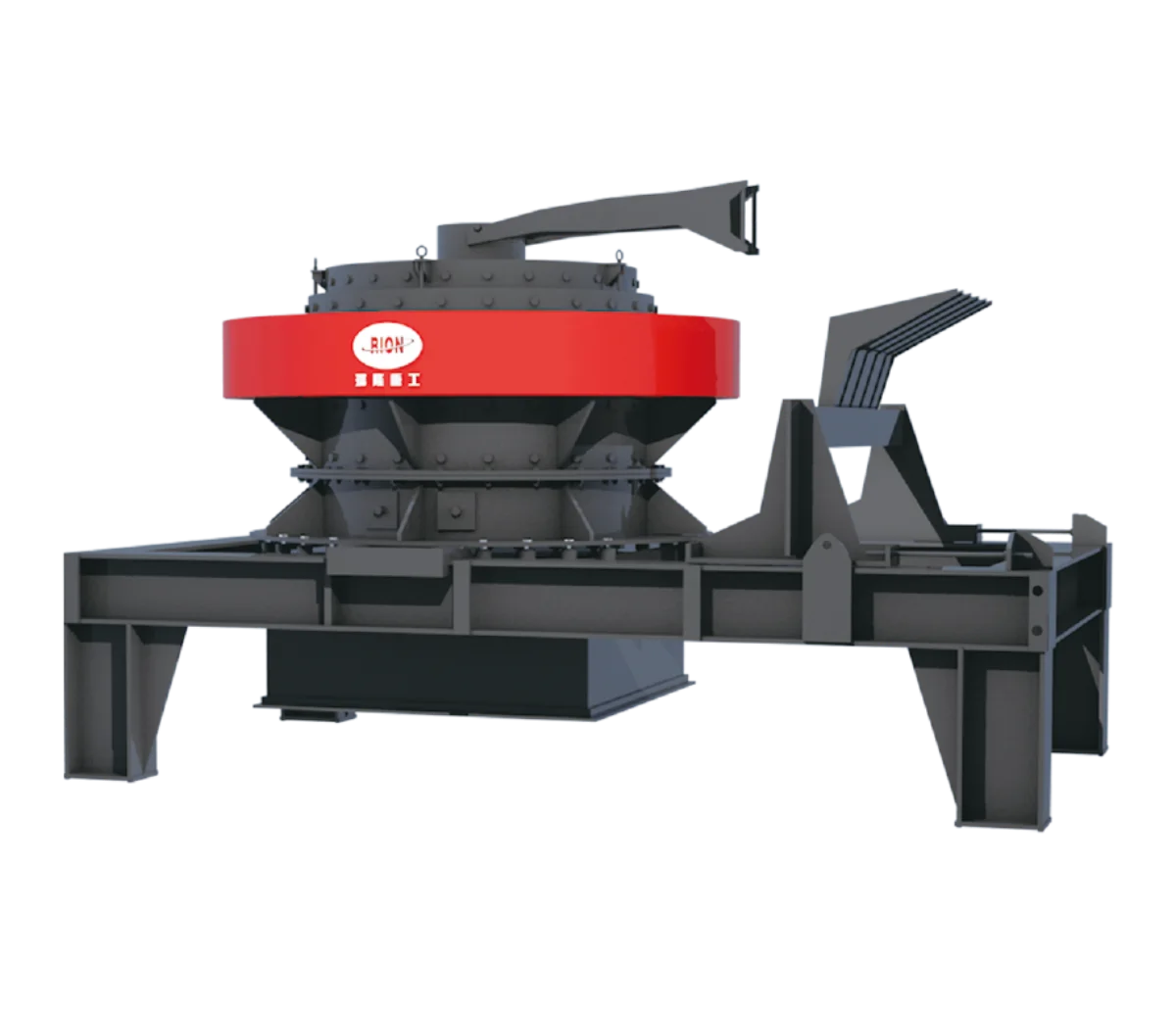
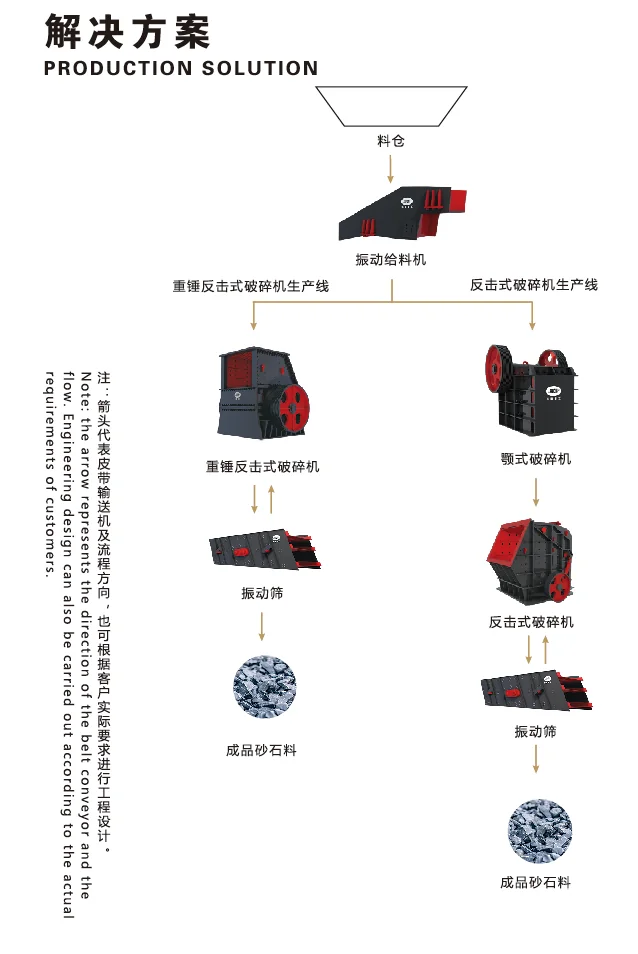
If the sand is produced by upstream crushing or shaping equipment, such as a VSI Sand Maker, its resulting gradation should be measured rather than inferred from the equipment category alone.
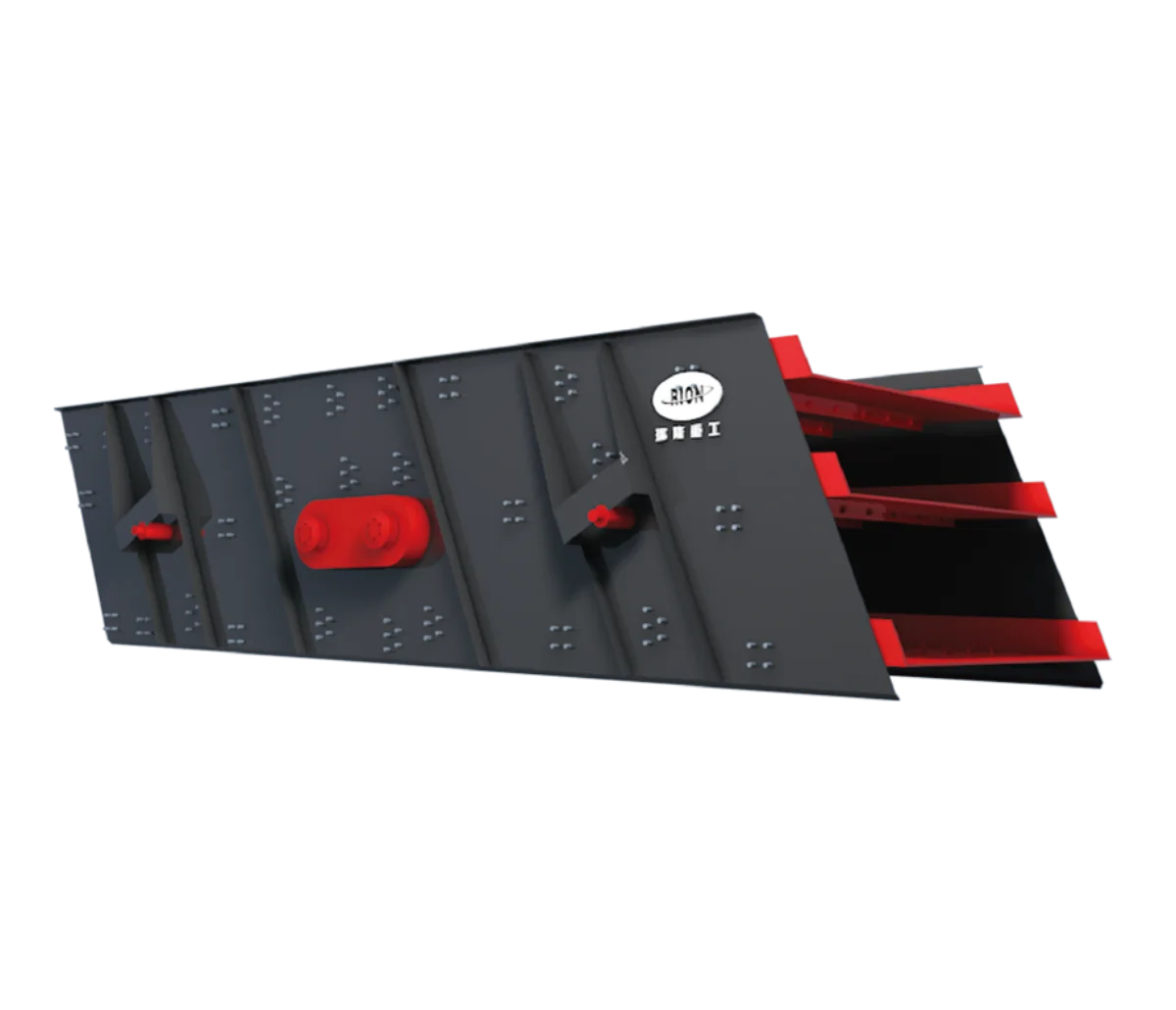
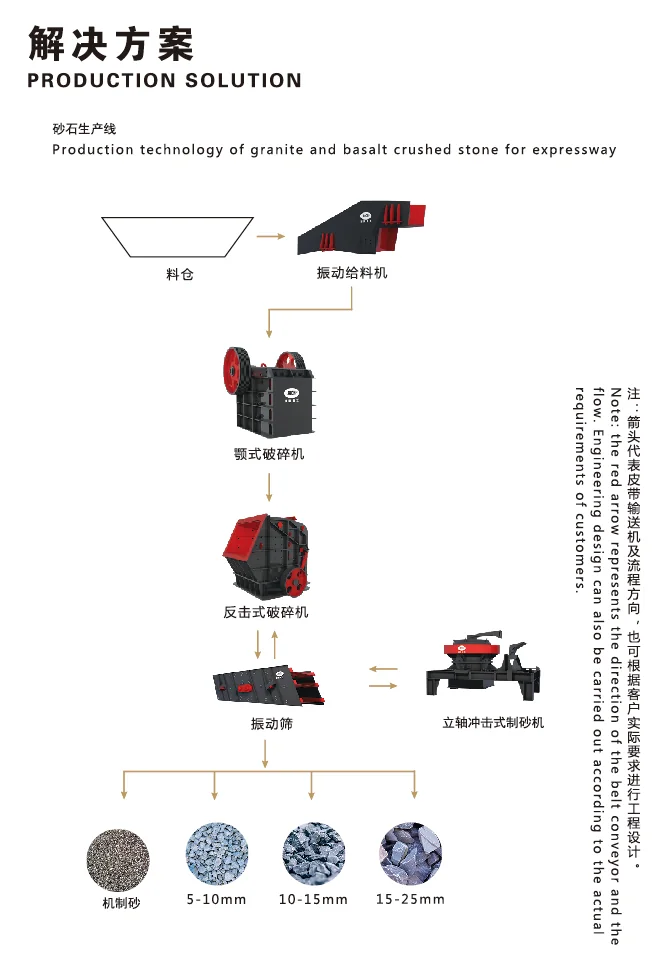
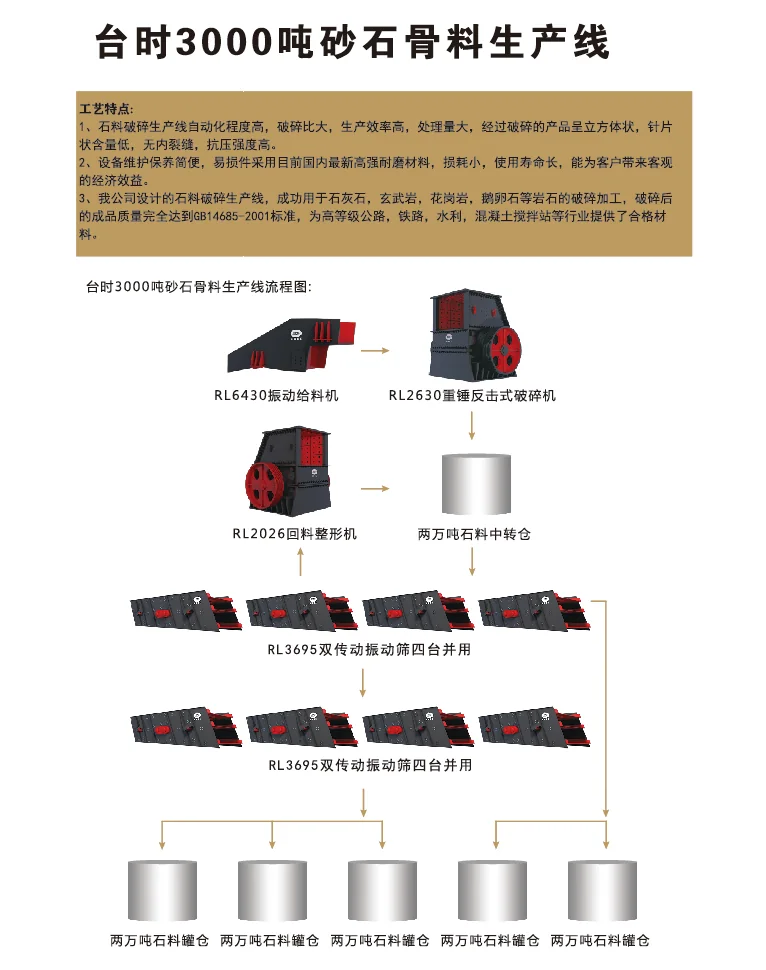
Upstream screening arrangements can also affect the particle-size distribution entering washing. RION’s Vibrating Screen is one relevant product category in an aggregate processing line.
Required Throughput and Water Conditions
A proposal should clearly state whether production capacity is expressed as wet feed, dry feed solids or finished product. These quantities are not interchangeable.
The equipment supplier also needs information about the available process water, whether recycling is required, expected water quality and the practical options for slurry handling. If the site has limited fresh-water availability or restricted space for settling facilities, these constraints may have a major influence on the overall washing configuration.
Capacity alone is not sufficient to define a complete washing process.
Equipment Scope and Site Constraints
The buyer and equipment supplier should establish which process stages are included in the proposed scope. A basic washer, a washer with separate fine-sand recovery and a complete circuit incorporating water treatment and product dewatering are not equivalent systems.
The proposal should identify equipment interfaces, utilities, foundations, available installation space and any downstream handling requirements. It should also specify how finished-product grading, recovery and moisture will be measured where those results form part of the project requirements.
RION provides Sand Washer equipment for aggregate processing applications. For a project-specific discussion, buyers can submit representative feed data, required sand grading, throughput and site conditions through the RION contact page.
The most effective sand washing circuit is not necessarily the one that removes the greatest quantity of fine material. It is the one that removes the contaminants that must be rejected, retains an appropriate proportion of valuable sand and operates within the site’s water and handling constraints.
Achieving that balance starts with understanding the actual feed and measuring where both solids and water go throughout the process.